


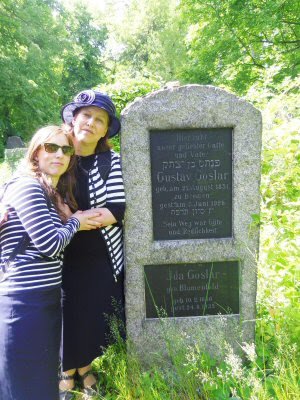

Gabi Goslar was a Holocaust survivor and the younger sister of Hannah Pick-Goslar, famously known as “Hanneli,” who was a close childhood friend of Anne Frank. Born Rachel Gabriele Ida Goslar in Amsterdam in 1940, she grew up in a Jewish family that had fled Nazi Germany to escape persecution. Gabi’s life story reflects both the horrors of the Holocaust and the resilience of children who survived it. She experienced unimaginable hardships as a young child but lived to rebuild her life after the war.
Her story is significant not only because of her survival but also because of her close connection to Anne Frank. People who search for Gabi Goslar biography or Gabi Goslar Holocaust survivor are often curious about her personal experiences, her family, and how she navigated the extreme circumstances of Nazi-occupied Europe. Gabi’s story reminds us of the courage and strength shown by ordinary children in extraordinary times.
| Detail | Information |
|---|---|
| Full Name | Rachel Gabriele Ida Goslar |
| Date of Birth | October 25, 1940 |
| Place of Birth | Amsterdam, Netherlands |
| Known For | Holocaust survival, childhood friend of Anne Frank |
| Family | Sister Hannah Pick-Goslar, parents |
Early Life and Family Background of Gabi Goslar
Gabi Goslar was born into a German-Jewish family that had fled to Amsterdam in search of safety from the growing threat of Nazi Germany. Her family was deeply rooted in Jewish traditions and valued education and community. From a very young age, Gabi grew up in a household where cultural identity and family ties were central, which later gave her strength during the traumatic experiences she faced as a child during World War II.
Her older sister, Hannah Pick-Goslar, was already friends with Anne Frank at school, and Gabi grew up in this circle of young Jewish children who were living under increasing restrictions and fear. Even as a young child, Gabi was aware that life was changing dramatically, and these early experiences of displacement and tension shaped her perspective on survival, resilience, and the value of friendship.
Life During World War II
During the Nazi occupation of the Netherlands, Gabi’s family faced constant danger and discrimination due to their Jewish identity. They were eventually arrested in 1943 and sent to concentration camps, a fate that many Jewish families in Amsterdam experienced during this period. For Gabi, who was just a small child at the time, these events were frightening and confusing, yet her family’s care and the bonds between children like her and Anne Frank provided moments of comfort.
Despite the harsh realities of occupation, Gabi’s experiences reveal the courage and adaptability of children during war. She endured the trauma of separation from her parents at times and witnessed the injustices inflicted upon her community. These formative years left a lasting imprint on her character, shaping her determination to survive and later share her story.
Experiences in Concentration Camps
Gabi Goslar was sent to the Bergen-Belsen concentration camp, one of the most notorious camps during the Holocaust. Life in the camp was harsh, with extreme overcrowding, minimal food, and constant fear. Yet, even in these conditions, Gabi’s young spirit and the support of her sister and other prisoners helped her endure. Survival required strength, both physical and emotional, and she displayed remarkable resilience despite her age.
After enduring months in Bergen-Belsen, Gabi also faced chaotic transport conditions, sometimes referred to as the “Lost Train,” before finally being liberated in 1945. Her survival was not only a testament to her own resilience but also to the human capacity for hope even in the darkest circumstances. Her experiences in the camps remain an important record of history and a reminder of the human cost of hate and intolerance.
Connection to Anne Frank
Gabi Goslar and her sister Hannah were close childhood friends of Anne Frank. They spent their early school years together in Amsterdam, sharing ordinary childhood experiences before the rise of Nazi persecution disrupted their lives. This connection has drawn attention because it provides a more personal perspective on Anne Frank’s childhood and the experiences of Jewish children during the Holocaust.
Their friendship illustrates how bonds formed in innocence can provide emotional support even in times of extreme adversity. Gabi’s memories of Anne Frank are among the few surviving accounts that reflect Anne as a real child rather than just the author of a diary. These personal stories deepen our understanding of Anne’s life and the experiences of Jewish children under Nazi occupation.
Life After the War and Legacy
After the war, Gabi Goslar emigrated to Israel, where she and her family rebuilt their lives. She focused on family, stability, and preserving the memory of the Holocaust, quietly contributing to historical memory through her personal testimony. While she did not seek fame, her story has been documented in Holocaust archives and oral histories, ensuring that her experiences—and those of countless other children—are remembered.
Gabi’s legacy is one of resilience and survival. Her life demonstrates how ordinary children faced extraordinary horrors and yet went on to live meaningful lives. Today, she is remembered as both a Holocaust survivor and a witness to history, whose experiences continue to educate and inspire new generations about the importance of empathy, courage, and remembrance.
Frequently Asked Questions About Gabi Goslar
1. Who was Gabi Goslar?
Gabi Goslar was a Holocaust survivor and the younger sister of Hannah Pick-Goslar, a close childhood friend of Anne Frank.
2. How was Gabi Goslar connected to Anne Frank?
Her sister and she were school friends of Anne Frank in Amsterdam before the Nazi occupation, sharing childhood experiences.
3. What happened to Gabi Goslar during the Holocaust?
She was sent to Bergen-Belsen concentration camp as a child and survived harsh conditions, including transport hardships, before liberation.
4. Did she share her story publicly?
Yes, she contributed to Holocaust archives and personal testimonies but lived a relatively private life after the war.
5. Where did Gabi Goslar live after World War II?
After the war, she emigrated to Israel with her family and rebuilt her life there, focusing on family and preserving memory.
Conclusion — Remembering Gabi Goslar
Gabi Goslar’s story is a powerful reminder of the courage and resilience of children during the Holocaust. Through her survival and quiet witness, we gain a deeper understanding of both the horrors faced by Jewish families and the importance of friendship, like that shared with Anne Frank. Her life encourages us to remember history, honor those who suffered, and value the strength of human spirit in the face of unimaginable challenges.
Read more :Gal Tirosh: From Modeling Spotlight to Media Recognition