


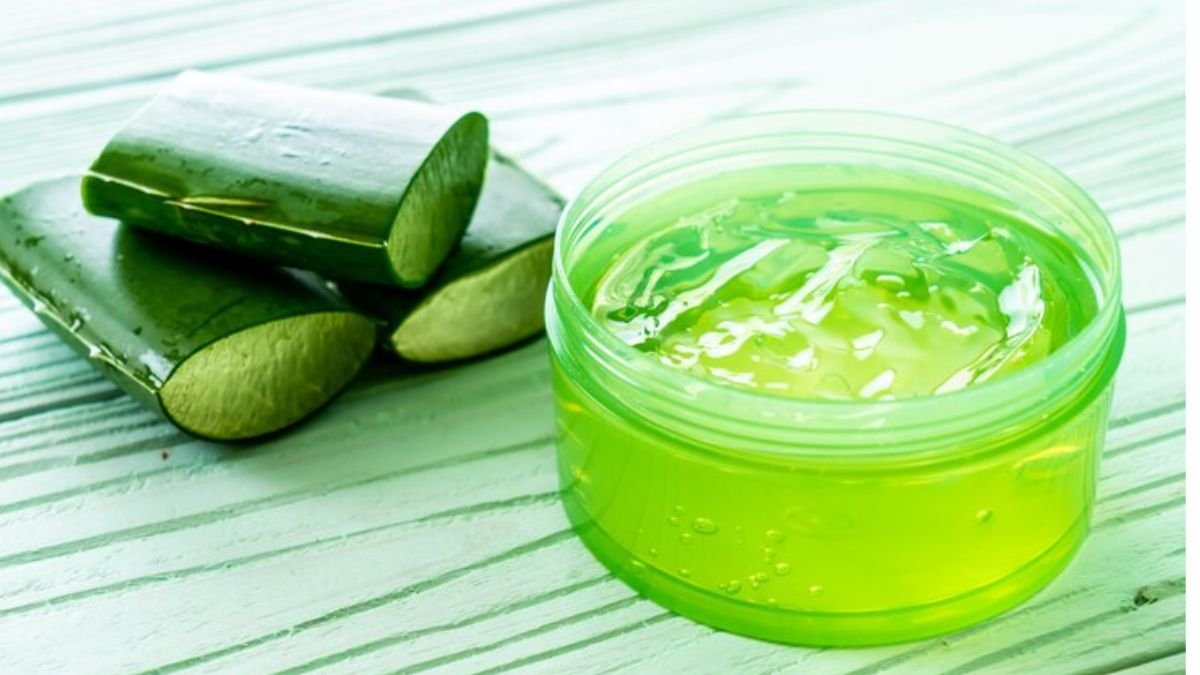

Gel Ooru is a traditional South Indian sweet dish known for its soft, shiny, jelly-like texture and deep jaggery flavor. It is especially common in Andhra Pradesh and Telangana, where it is prepared at home during festivals and family gatherings. The dish is simple, made from everyday kitchen ingredients, yet it carries a strong emotional value because it is tied to village life and oldfamily traditions.
Many people search for gel ooru because the name sounds unusual. Some think it could be a place or a person, but gel ooru is food, not a name or location. What makes gel ooru special is not only its taste but also the slow cooking process that turns basic ingredients into something smooth, sticky, and comforting. Over time, this village sweet has gained attention online as people rediscover traditional recipes.
Gel Ooru Meaning in Local Language and English
In simple words, “gel” refers to the soft, sticky, gel-like texture of the sweet. “Ooru” means village in Telugu. Together, gel ooru means a village-style gel sweet. The name clearly describes both how the dish looks and where it comes from. It is not a fancy or modern name, but a practical one given by people who made it at home.
The meaning of gel ooru also reflects its identity. It represents homemade food, cooked slowly and shared with family. Unlike store-bought sweets, gel ooru is connected to patience, care, and tradition. This is why older generations still use the original name with pride, and why the term gel ooru continues to be searched and discussed today.
History and Origin of Gel Ooru
Gel Ooru has its roots in rural South India, especially in Telugu-speaking regions. Long before packaged sweets existed, families relied on rice, jaggery, and ghee to prepare desserts at home. Gel ooru was born from this simplicity. It was often cooked on slow wood fires, stirred patiently, and shared among family members as a symbol of togetherness.
Over time, gel ooru became more than just food. It turned into a memory-based dish, connected with childhood, grandparents, and village life. Even today, many people remember gel ooru as something their elders cooked during special moments, which is why the dish still carries emotional value.
Ingredients Used in Traditional Gel Ooru
Traditional gel ooru uses very few ingredients, but each one plays an important role. Rice flour gives structure, jaggery adds natural sweetness, and ghee brings aroma and smoothness. Cardamom is often added to enhance flavor, while coconut or nuts are optional depending on the region.
What makes gel ooru special is the quality of ingredients, not quantity. Homemade jaggery and freshly ground rice flour were preferred in villages. This careful selection is why gel ooru tastes rich even without many ingredients.
| Ingredient | Purpose |
|---|---|
| Rice flour | Gives body and texture |
| Jaggery | Natural sweetness and color |
| Ghee | Smoothness and aroma |
| Cardamom | Mild fragrance |
| Coconut (optional) | Extra taste |
How Gel Ooru Is Made (Traditional Cooking Process)
Gel ooru is cooked slowly and carefully. First, jaggery is melted in water and strained. Rice flour is then added gradually while stirring continuously. This step is important because fast cooking can ruin the texture. Ghee is added at the right moment to bring shine and softness.
The mixture thickens over time and turns glossy. The key is patience, not speed. When done correctly, gel ooru becomes soft, stretchy, and smooth. Many elders say the final taste depends on the love and attention given while stirring.
Gel Ooru vs Similar Indian Sweets
Gel ooru is often compared with halwa or payasam, but it is different in texture and feeling. Halwa is heavier and richer, while gel ooru is lighter and softer. Payasam is liquid-based, while ge l ooru holds its shape once cooled.
What truly separates gel oor u is its village-style identity. It is not meant to look fancy or decorative. Its beauty lies in its natural shine and comforting taste, which makes it unique among traditional sweets.
| Sweet | Texture | Main Sweetener |
|---|---|---|
| Gel Ooru | Soft, jelly-like | Jaggery |
| Halwa | Thick and dense | Sugar/Jaggery |
| Payasam | Liquid | Jaggery/Milk |
Cultural Importance of Gel Oor u Today
Even today, gel oor u is prepared during festivals, weddings, and family events. It is often cooked early in the morning and shared with relatives and neighbors. For many families, making gel oor u is a way of keeping traditions alive.
In modern times, younger generations are rediscovering gel oor u through social media and family stories. While lifestyles have changed, the emotional connection remains strong. Gel oor u still represents home, simplicity, and shared joy.
FAQs About Gel Oor u (100 words total)
Is gel oor u vegetarian?
Yes, gel oo ru is completely vegetarian.
Is gel oor u healthy?
It is healthier than refined sugar sweets due to jaggery.
Can gel oor u be stored?
It is best eaten fresh but lasts one day refrigerated.
Is gel oor u the same everywhere?
Ingredients are similar, but taste varies by region.
Why is gel oor u sticky?
Slow cooking creates its gel-like texture.
Read more : Janel Bloodsworth: The Truth Behind the Name Everyone Is Searching