


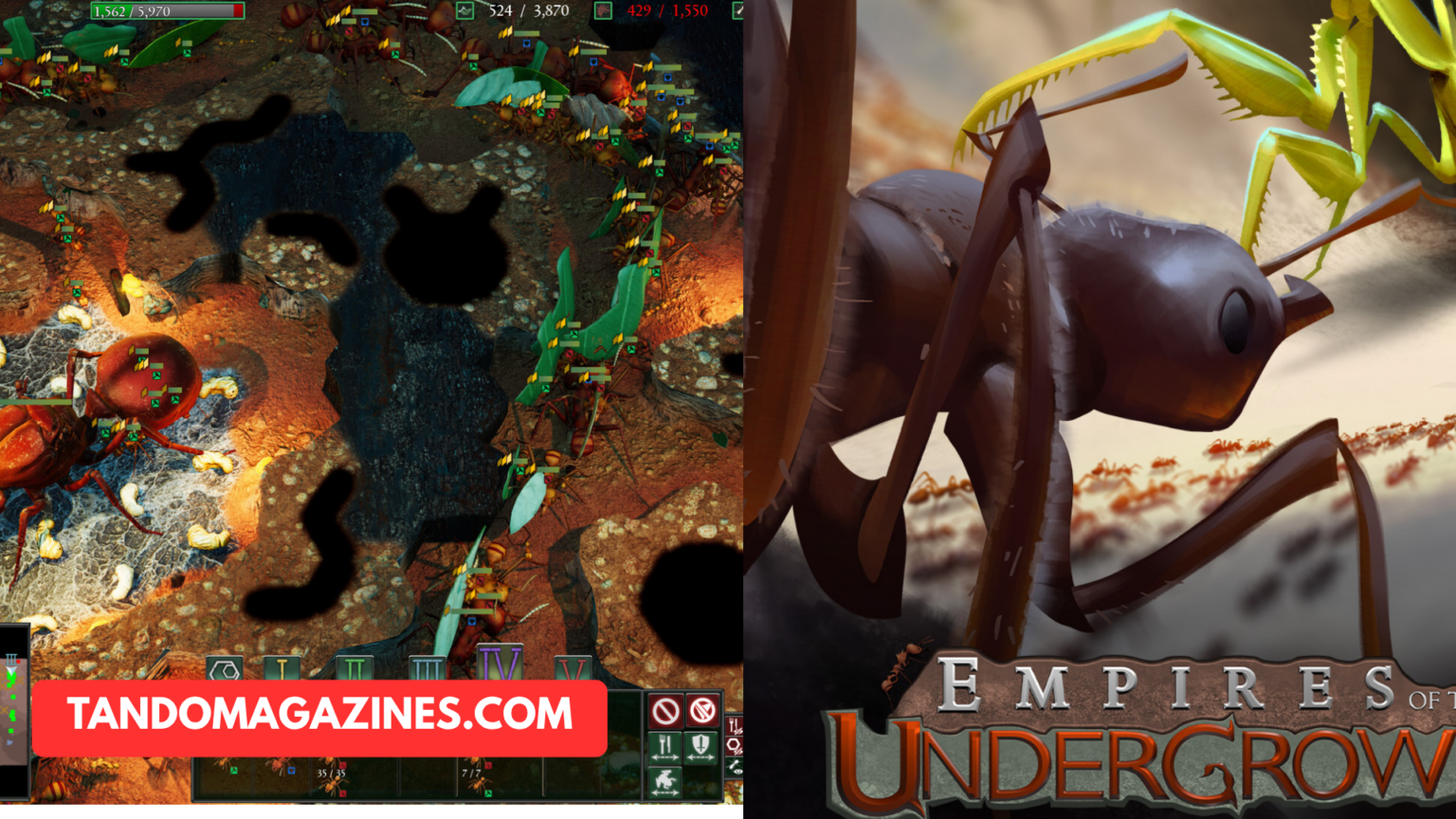

An undergrowthgames contributor is someone who helps build or improve games in a shared development environment. Instead of working alone, contributors join a group of creators who all add something different to a project. This can include coding, designing characters, writing stories, or testing gameplay. In simple words, it is like being part of a creative team where everyone builds one big game together.
UndergrowthGames-style projects are usually inspired by indie game communities. They focus more on creativity and teamwork rather than big company rules. A contributor is not just a worker but a part of the creative process. Many people join these projects to learn game development, gain experience, or share their ideas with others who love games.
| Area | Details |
|---|---|
| Role Type | Volunteer or collaborative contributor |
| Main Work | Game design, coding, art, testing |
| Environment | Online team collaboration |
| Skill Level | Beginner to advanced |
| Goal | Build indie games together |
This table shows that the role is flexible. Even beginners can start small and grow over time.
In most cases, an undergrowthgames contributor does not work like a normal employee. Instead, they join projects based on interest and skill. Some people stay long-term, while others join only for a specific game or idea. The main focus is learning, creating, and improving games together in a shared space.
A useful way to understand it is to think of it like a digital workshop. Everyone brings their own tools—some bring art skills, some bring coding knowledge, and others bring creative ideas. Together, they build something that no one could make alone.
What Does an UndergrowthGames Contributor Do?
An undergrowthgames contributor takes part in building a game step by step, depending on their skills. There is no single fixed job here. Instead, every person adds something different that helps the final game become complete. Some contributors focus on visuals, some on logic, and some on ideas or testing. This flexible system is what makes indie-style development unique and creative.
In simple terms, contributors act like puzzle pieces. Each person adds their own part, and when combined, the game starts to take shape. For example, one person might design a character, another might code its movement, and someone else might test if it works properly in gameplay. This teamwork makes development faster and more creative.
| Role Type | What They Do |
|---|---|
| Developer | Writes code and builds game systems |
| Artist | Creates characters, environments, UI |
| Writer | Builds story, dialogues, and lore |
| Tester | Finds bugs and improves gameplay |
| Designer | Plans levels and game mechanics |
Each role is important because a game is not just code—it is art, story, and experience combined. Contributors usually choose one or more areas depending on their interest.
A good example is a small indie project where a contributor starts by designing a simple enemy character. Later, another contributor gives it movement, and someone else adds sound effects. Slowly, that one idea becomes part of a full game world.
Skills Required to Become an UndergrowthGames Contributor
To become a successful undergrowthgames contributor, you don’t need to be an expert from day one. However, having some basic skills helps you contribute more effectively. The most important thing is willingness to learn and improve over time.
There are three main types of skills: technical, creative, and soft skills. Technical skills help you build the game, creative skills help you design ideas, and soft skills help you work with a team. All three are important in different ways.
| Skill Type | Examples | Importance |
|---|---|---|
| Technical | Coding, Unity, Blender | Builds the game |
| Creative | Storytelling, design | Makes the game interesting |
| Soft Skills | Teamwork, communication | Keeps project smooth |
Technical skills are often the first step. Learning a game engine like Unity or Unreal Engine helps you understand how games actually work. Even simple knowledge of coding can make a big difference.
Creative skills are equally important. A game without a good story or design can feel empty. That is why contributors who can imagine worlds, characters, and gameplay ideas are always valuable.
Soft skills are often ignored, but they matter a lot. Since contributors work in teams, clear communication and patience help avoid confusion and delays. Good contributors are not only skilled but also easy to work with.
How to Become an UndergrowthGames Contributor
Becoming an undergrowthgames contributor is a step-by-step journey. You don’t need to be perfect at the start. What matters more is starting small and improving gradually. Many contributors begin with simple projects and slowly move to bigger roles.
The first step is learning the basics of game development. This means understanding how games are made, how characters move, and how systems interact. After that, you should focus on one area like coding, art, or design instead of trying everything at once.
Next, building a small portfolio is very important. This is where you show your work. It can be a simple game, a character design, or even a small script. The goal is to show that you can create something, even if it is basic.
| Step | What You Do |
|---|---|
| Learn Basics | Game engines, basic coding or design |
| Practice | Make small projects |
| Portfolio | Collect your best work |
| Join Teams | Start contributing in real projects |
After building skills, joining communities is the next step. Many contributors find opportunities in online groups where developers share projects. Here, you can start small by helping with testing or minor tasks.
Over time, as you gain experience, you may get bigger responsibilities. The key is consistency. Even small contributions matter in the beginning because they help you learn how real game development works.
Benefits of Being an UndergrowthGames Contributor
Being an undergrowthgames contributor is not just about making games. It also helps you grow personally and professionally. One of the biggest benefits is real-world experience. You learn how actual game projects work, which is very useful if you want to enter the gaming industry later.
Another major benefit is creativity. You get freedom to share ideas and see them become part of a real game. This is something many traditional jobs don’t offer. Contributors often feel more connected to the creative process because they are directly involved.
There is also a strong community aspect. You meet people from different backgrounds who share the same interest in games. This can lead to friendships, teamwork opportunities, and even future job connections.
Challenges and Realities of UndergrowthGames Contributors
While being a contributor is exciting, it also has challenges. One common issue is that many projects are unpaid or based on passion. This means you may spend time learning and contributing without immediate financial reward.
Another challenge is managing time. Since contributors often work on multiple things or join projects part-time, balancing work and learning can be difficult. Some people also struggle with communication in teams, especially when working online.
However, these challenges can be handled with patience and planning. Setting small goals and choosing projects carefully helps avoid burnout. Over time, contributors become better at managing both skills and responsibilities.
Future of UndergrowthGames Contributors
The future of undergrowthgames contributors looks promising because indie game development is growing fast. More people now prefer small creative games instead of large corporate projects. This gives contributors more chances to join exciting work.
Technology is also changing how games are made. Tools like AI-assisted design, faster game engines, and online collaboration platforms make it easier for contributors to work together. Even beginners can now take part in advanced projects with the right tools.
In the coming years, we will likely see more community-driven games where contributors play a major role. This means more opportunities, more learning, and more creative freedom for everyone involved.
FAQs About UndergrowthGames Contributor
An undergrowthgames contributor is someone who helps build games in a shared development team. They may work on coding, design, art, or testing depending on their skills. It is not a fixed job but more of a collaborative role where people work together on creative projects. Beginners can also join if they are willing to learn and practice. Most contributors start small and grow over time as they gain experience in game development.
Do contributors get paid for their work? In many cases, contributors in indie-style projects are not paid regularly. Some projects offer rewards or future opportunities, but most focus on learning and collaboration. It depends on the project and team. Many people join to build experience, improve their skills, and create a portfolio that can help them get paid jobs later in the gaming industry.
Do I need experience to become a contributor? No, you do not need full experience. Beginners are often welcome in many projects. However, basic knowledge of game design, coding, or art can help you contribute more effectively. The most important thing is willingness to learn and practice regularly. Many successful contributors started with no experience and improved over time through real projects.
What tools should I learn first? If you want to join as an undergrowthgames contributor, start with basic game engines like Unity or Unreal Engine. For art, tools like Blender or Photoshop are useful. For coding, learning C# or Python basics can help. You don’t need to learn everything at once. Start with one tool based on your interest and build slowly.
Can beginners join UndergrowthGames projects? Yes, beginners can join. Many indie projects welcome new contributors because they bring fresh ideas and energy. You may start with simple tasks like testing games or fixing small issues. Over time, as you learn more, you can take on bigger responsibilities. The key is patience and continuous learning.
READ MORE : Classroom30x Explained: Simple Guide, Games & Safety Tips