


Fashion has never been just about fabric. It is a language, a declaration, a form of armor and invitation all at once. What we wear tells stories before we open our mouths. It signals where we come from, what we value and where we believe we belong.
For Black communities, this truth runs especially deep. Style has long served as resistance, celebration and survival. When other forms of expression were suppressed or ignored, fashion spoke loudly. It still does.
Understanding fashion as identity requires looking beyond trends. It means examining why certain pieces carry weight, why some styles endure and why the choices we make each morning are never as simple as they appear.
Clothing as Code
Every generation develops its own visual vocabulary. The zoot suits of the 1940s said something different than the dashikis of the 1960s. The baggy jeans of the 1990s communicated values distinct from the slim fits that followed.
These shifts are not random. They reflect cultural moments, economic realities and collective attitudes toward visibility and space.
When young Black men in the 1940s wore zoot suits with their exaggerated proportions and bold colors, they were claiming presence in a society that preferred them invisible. The style was so threatening to the status quo that it sparked actual violence during the Zoot Suit Riots.
Fashion has always been political, even when it pretends otherwise.
The Rise of Sneaker Culture
Few items carry as much cultural weight today as sneakers. What began as athletic equipment has transformed into one of the most significant markers of identity and belonging in contemporary fashion.
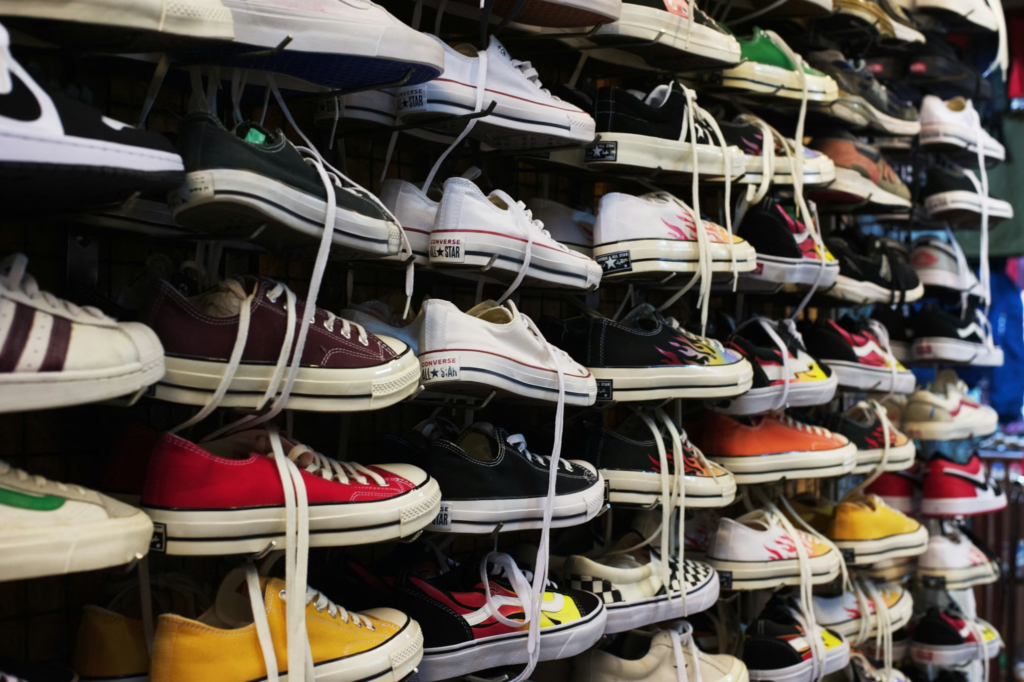
The sneaker’s journey from court to culture tells a larger story about Black influence on global style. Basketball players, hip-hop artists and street culture pioneers turned functional footwear into objects of desire and meaning.
Today, sneaker choices communicate belonging to specific communities and eras. Collectors and enthusiasts understand that certain silhouettes carry histories. The asics gel kayano 14 uk represents a particular moment in running shoe design that has found new life among those who appreciate technical aesthetics and retro authenticity. Its resurgence reflects how contemporary style often looks backward to move forward.
This pattern repeats across sneaker culture. Shoes that defined one decade return to define another, each revival adding new layers of meaning to the original design.
Accessories as Anchors
While clothing changes with seasons and occasions, accessories often carry deeper permanence. Jewelry especially tends to hold meaning that transcends fashion cycles.
Chains, rings and bracelets frequently connect wearers to heritage, faith or personal history. A grandmother’s ring worn daily is not just decoration. It is a memory made tangible. A religious pendant is not just metal. It is a belief made visible.
The symbolism of jewelry varies across cultures but shares common threads. Adornment has always signaled status, belonging and identity. Ancient civilizations used jewelry to mark transitions, achievements and affiliations.

Nordic traditions offer striking examples of how jewelry carried cultural meaning. Viking chains were not mere ornaments for the warriors who wore them. They represented wealth, conquest and connection to gods and ancestors. The intricate metalwork told stories of journeys taken and battles survived.
Today, elements of these ancient designs appear in contemporary fashion, adopted by those who feel connection to the symbolism or simply appreciate the craftsmanship. This borrowing raises important questions about cultural exchange, appreciation and the ways meaning travels across time and community.
Streetwear’s Cultural Roots
Streetwear dominates global fashion in ways that would have seemed impossible decades ago. Luxury houses now collaborate with brands that started in garages and basements. Hoodies sell for thousands of dollars. Sneakers command prices that rival fine jewelry.
But streetwear’s origins tell a more complicated story than its current prestige suggests.
The aesthetic emerged from communities that mainstream fashion ignored. Skaters, hip-hop artists and graffiti writers developed styles born from necessity and creativity. They wore what they could afford, modified what they found and created looks that expressed their specific realities.
When mainstream fashion finally noticed, it often extracted the style while ignoring the culture. The same looks that marked wearers as suspicious or unemployable suddenly became desirable when worn by different bodies in different contexts.
This pattern of appropriation without acknowledgment remains a tension within fashion. Understanding it requires recognizing that style never exists in isolation. It always comes from somewhere and someone.
Heritage as Influence
For many Black Americans, fashion serves as a connection to African heritage that systematic oppression tried to sever. Ankara prints, kente cloth and other traditional textiles have found renewed presence in contemporary wardrobes.
This reclamation is not a costume. It is a reunion.
Wearing patterns that carry generations of meaning does something that ordinary fashion cannot. It announces continuity. It declares that despite everything, the thread was not broken.
The same impulse drives interest in natural hairstyles that were once stigmatized. Locs, braids and afros are not just aesthetic choices. They are statements of acceptance and pride in features that dominant culture long deemed unacceptable.
Fashion becomes a site of healing when it allows people to embrace what they were taught to reject.
The Personal and Political
Individual style choices accumulate into collective statements. When enough people dress a certain way, the culture shifts.
This is why representation in fashion matters beyond individual opportunity. Seeing diverse bodies celebrated in style imagery changes what seems possible and desirable. It expands the vocabulary of beauty.
The Black designers, stylists and creatives who have shaped global fashion often did so while fighting for basic recognition. Their contributions were adopted widely while their names remained unknown. This history of uncredited influence haunts an industry that still struggles with diversity at its highest levels.
Wearing fashion with awareness means understanding these dynamics. It means asking who made this, who profits from it and whose creativity it reflects.
Dressing for Ourselves
Amid all the cultural weight that fashion carries, personal expression remains at its core. Style ultimately comes down to individual choices made each day.
The question of who we dress for reveals much about our relationship with identity. Some dress for others, seeking approval or acceptance. Some dress for themselves, using style as a private ritual regardless of external perception.
Most of us navigate between these poles. We want to belong and we want to stand out. We want to fit in and we want to be seen. Fashion allows us to negotiate these competing desires through something as ordinary as getting dressed.
What Style Teaches
Paying attention to fashion, our own and others, teaches observation. It develops awareness of how presentation shapes perception and how surface choices reflect deeper values.
This awareness matters beyond clothing. The same attentiveness applies to how we present ideas, how we enter rooms and how we carry ourselves through the world.
Fashion at its best is not superficial. It is a practice of intentionality. It asks us to consider what we want to communicate and whether our choices align with that intention.
Beyond the Mirror
The clothes we wear leave our closets and enter the world. They become part of public space, contributing to the visual culture that surrounds everyone.
This gives fashion a civic dimension that extends beyond personal expression. Our choices influence what others see as normal, possible and beautiful. They participate in ongoing conversations about identity, belonging and value.
Understanding this power does not mean taking fashion too seriously. It means recognizing that even casual choices carry meaning. The t-shirt, the sneakers, the chain around the neck all say something.
Fashion speaks whether we intend it to or not. The only question is whether we choose our words deliberately.