



Water has always held meaning beyond its physical presence. Rivers carry histories. Lakes hold memories. Shorelines mark boundaries between the known and the vast unknown. For generations, communities have gathered at the water’s edge to fish, swim, celebrate and simply breathe.
In Black communities especially, the relationship with water is complex and layered. It carries trauma and healing in equal measure. It represents both historical pain and present possibility. Reclaiming joy on the water is not just recreation. It is an act of restoration.
As more people seek connection with nature, understanding what draws us to rivers and lakes reveals something deeper about community, tradition and what it means to find peace in the natural world.
Rivers as Gathering Places
Long before scheduled activities and organized sports, rivers served as natural community centers. Families gathered on banks for reunions. Friends met to fish as the sun rose. Children learned to swim in currents their grandparents had known.
These gatherings were never just about the activity. They were about presence. About being together in a place that demanded nothing but attention to the moment.
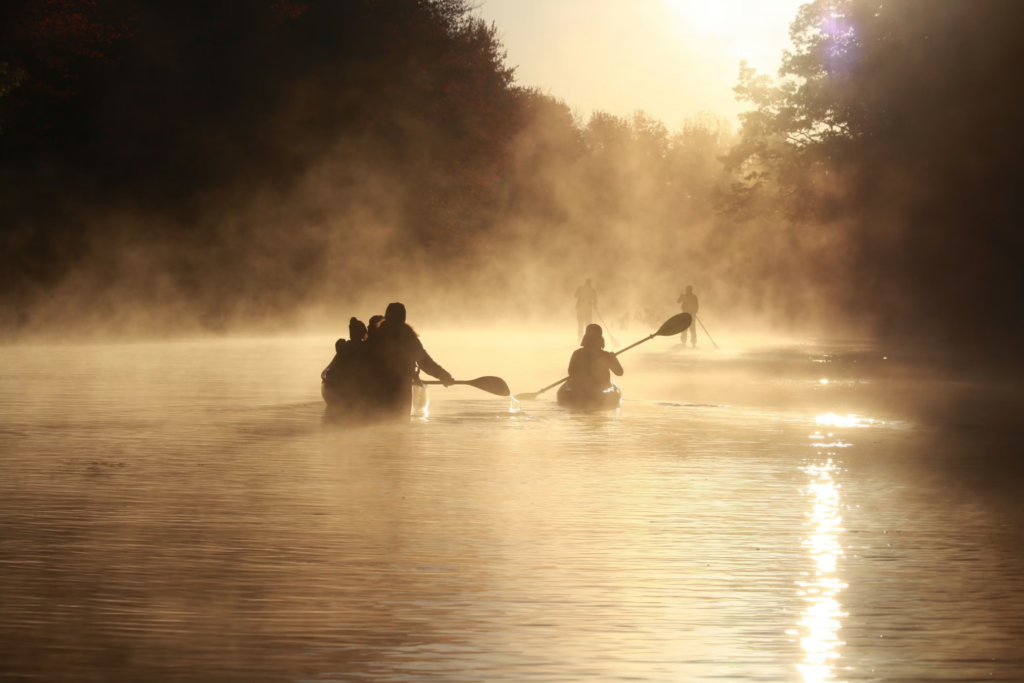
Rivers have a way of slowing time. The current moves at its own pace regardless of human urgency. Sitting beside moving water teaches patience that modern life rarely allows.
For many Black families, river traditions stretch back generations. The specific locations may have changed, but the practice of gathering at water’s edge persists. It connects the living to ancestors who found the same peace in the same simple act.
The Weight of Water
Any honest conversation about Black Americans and water must acknowledge history. Swimming pools were sites of segregation and violence. Beaches were battlegrounds for basic dignity. Access to recreational water was denied, restricted and policed.
This history left marks that statistics still reflect. Drowning rates among Black children remain disproportionately high. Swimming proficiency lags behind other groups. Fear of water passed down through generations carries real weight.
But history is not destiny. Across the country, organizations and individuals work to change this legacy. Swimming programs target communities where access was historically denied. Outdoor groups create welcoming spaces for Black families to explore lakes, rivers and coastlines.
Reclaiming water is part of reclaiming wholeness. It refuses to let past exclusion define present possibility.
Finding Rhythm on the River
There is something particular about activities that put you directly on the water. Kayaking, canoeing, paddle boarding and boating all offer perspectives that shoreline viewing cannot match.
From the middle of a river, the world looks different. The sound carries strangely. Light reflects in unexpected ways. The body must constantly adjust to movement beneath it.
Australia’s Murray River region offers examples of how water-based recreation builds around natural rhythms. Towns like Echuca have long traditions of river life, where generations have learned to read currents and respect the water’s power. Options like ski boat hire echuca allow visitors to experience the river actively rather than passively, feeling the connection between human movement and natural flow.
This kind of engagement differs from watching nature on a screen or even walking beside it. Being on water requires participation. The river does not accommodate inattention.
The Patience of Fishing
Few outdoor activities teach patience like fishing. Hours pass waiting for action that may never come. Success depends on factors beyond human control. The practice rewards presence over productivity.
For many families, fishing serves as the backdrop for conversations that might never happen otherwise. Standing or sitting beside someone, eyes on the water, creates space for words that direct eye contact might prevent. Fathers and sons, mothers and daughters, grandparents and grandchildren have worked through difficulties while casting lines.
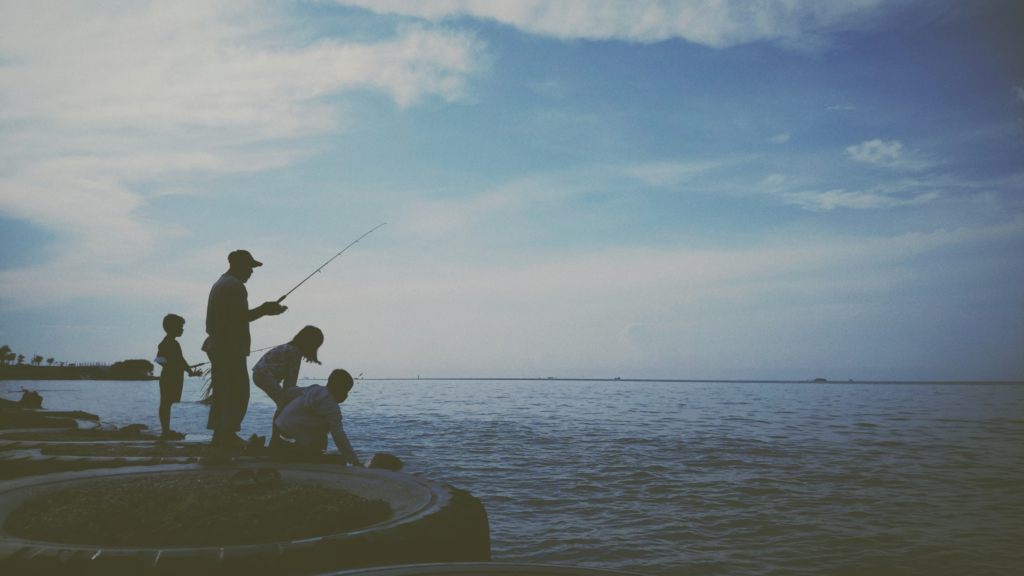
The equipment itself carries ritual significance. Experienced anglers develop relationships with their gear that border on superstition. Fly fishing rods in particular demand skill that takes years to develop, turning the practice into a craft passed between generations. The motion of casting becomes meditation, repeated until muscle memory takes over and the mind can finally rest.
Fishing connects humans to food chains that supermarkets obscure. Even catch-and-release fishing reminds us that dinner does not originate in packaging. This awareness matters in an age when nature feels increasingly abstract.
Water as Healing
Mental health professionals increasingly recognize what traditional cultures always knew. Time near water heals.
The concept of “blue space” has entered wellness vocabulary, describing the calming effect of being near rivers, lakes and oceans. Research confirms what intuition suggests. Proximity to water reduces stress, improves mood and promotes mental clarity.
For communities carrying generational trauma, these benefits matter deeply. Water offers something that talking alone cannot provide. It holds pain without judgment. It continues flowing regardless of what we bring to its banks.
This may explain why baptism holds such significance in Black church traditions. The act of entering water and emerging transformed speaks to something beyond theology. It recognizes water’s power to mark transitions and wash away what no longer serves.
Teaching the Next Generation
Outdoor skills do not transfer automatically. They require intention, time and willingness to be present with young people as they learn.
Teaching a child to swim is teaching survival. Teaching a teenager to paddle a canoe is teaching coordination and confidence. Teaching anyone to bait a hook is teaching patience and acceptance of outcomes beyond control.
These lessons matter beyond their immediate application. Young people who learn to navigate natural environments develop resilience that serves them everywhere. They understand that discomfort is temporary, that conditions change and that persistence often determines outcome.
The outdoor recreation gap in Black communities reflects broader inequities in access and exposure. Children cannot love what they never experience. Breaking cycles of disconnection requires adults willing to introduce young people to rivers, lakes and trails despite the barriers that make it easier to stay inside.
Community on the Water
Some of the most meaningful outdoor experiences happen in groups. Canoe trips, fishing tournaments and beach gatherings create community bonds that individual activities cannot match.
Shared challenge builds connection. Navigating rapids together, weathering unexpected storms or simply preparing a meal from the day’s catch creates memories that persist long after the trip ends.
Black outdoor groups have multiplied in recent years, creating spaces where people can explore nature without the isolation that historically accompanied it. These communities share knowledge, organize trips and normalize outdoor recreation in ways that expand who sees themselves as belonging in wild spaces.
The water does not care about the color of those who enter it. Building communities that reflect that truth remains ongoing work.
Stillness as Resistance
Modern life rewards constant motion. Productivity culture insists that every moment must be optimized, every hour accounted for. Stillness feels like failure.
Spending time on the water resists this pressure. Rivers do not hurry. Lakes do not multitask. The pace of nature operates on different terms than the pace of commerce.
Choosing to spend a Saturday fishing instead of working is a statement. Prioritizing a family canoe trip over another commitment is a declaration of values. In a culture that measures worth through output, rest becomes radical.
For communities whose labor was historically extracted without consent or compensation, choosing leisure carries particular weight. It insists that life holds more than work. It claims time as something owned rather than owed.
The Water Remains
Rivers outlast the people who love them. The currents that carried our grandparents’ laughter will carry our grandchildren’s someday.
This continuity offers comfort in uncertain times. Whatever changes, the water remains. It rises and falls with seasons. It carves new paths over centuries. But it persists.
Building traditions around water connects families to something larger than any individual lifespan. The fishing spot that holds four generations of memories becomes sacred ground. The lake where children learned to swim became part of family mythology.
These places anchor identity in ways that matter more as mobility increases and communities disperse.
Returning to the River
The invitation of water is always open. Rivers do not require appointments. Lakes do not check credentials. The outdoors remains available to anyone willing to show up.
What it asks in return is presence. Attention. Willingness to move at nature’s pace instead of demanding nature move at ours.
For those who accept this invitation, the rewards compound over time. Skills develop. Knowledge deepens. Connection to place and community strengthens.
The water has always been there, waiting. The only question is whether we will meet it.