



Weddings have always been about more than two people saying yes. They are cultural markers, family reunions and public declarations of identity. But something has shifted in recent years. The modern wedding is no longer defined by what tradition expects. It is defined by what the couple believes, what their community values and what story they want to tell.
Across the country, couples are turning away from cookie-cutter ceremonies. They are choosing intention over convention. And in doing so, they are transforming weddings into deeply personal expressions of culture, style and meaning.
More Than a Party
For generations, weddings followed a predictable formula. Church ceremony. Reception hall. White dress. Three-tier cake. The details varied, but the blueprint stayed the same.
That blueprint is fading.
Today’s couples are asking harder questions before they book a venue or choose a colour palette. What does this day mean to us? How do we honour where we come from while stepping into something new? What do we want our guests to feel when they leave?
These are not small questions. And the answers are reshaping what weddings look like from start to finish.
Jewellery as Language
One of the clearest shifts in wedding culture is how couples approach jewellery. Engagement rings and wedding bands were once status symbols, chosen for size and sparkle above all else. That mindset is changing.
More couples now choose rings based on meaning rather than market value. Vintage settings, ethically sourced stones and unconventional cuts have become popular among those who want their jewellery to say something specific.
The emerald cut engagement ring has seen a notable resurgence in recent years. Its clean lines and geometric symmetry appeal to couples drawn to Art Deco influences and timeless elegance. Unlike rounder cuts that prioritize brilliance, the emerald cut emphasizes clarity and structure. For many, it represents a relationship built on transparency and intention.
This shift reflects a broader cultural movement. Jewellery is no longer just decoration. It is a form of communication, a way of encoding values into something worn every day.
Fashion That Tells a Story
Bridal fashion has undergone its own transformation. The traditional ball gown still has its place, but it now shares the spotlight with silhouettes that prioritize movement, confidence and personal expression.
Many brides today are choosing gowns that reflect their personalities rather than conforming to a single ideal. Some opt for bold colours. Others choose sleek, modern cuts that feel more like evening wear than bridal costume.
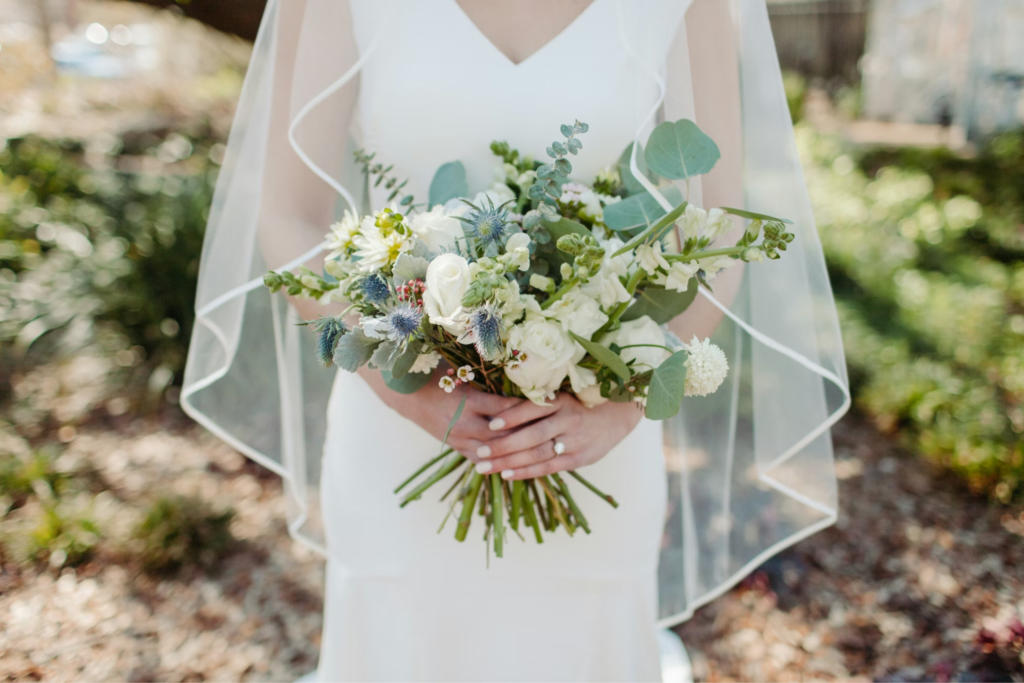
Mermaid Wedding Dresses have become a favourite among brides who want to make a statement. The fitted bodice and dramatic flare below the knee create a striking silhouette that celebrates the body rather than concealing it. For many women, this style represents empowerment and self-assurance on one of the most photographed days of their lives.
Fashion choices at weddings now carry cultural weight. A bride might incorporate fabrics or patterns from her heritage. A groom might wear a suit tailored in the style of his grandfather’s generation. These decisions are not accidents. They are deliberate acts of storytelling.
The Rise of the Immersive Celebration
Weddings used to be events. Now they are experiences.
The shift toward immersive celebrations reflects a broader change in how people gather. Guests no longer want to sit passively and watch. They want to participate, connect and feel something.
This has led to a surge in experiential elements. Live painters capture the ceremony in real time. Food stations replace plated dinners. Interactive installations invite guests to contribute messages or artwork.
Some couples are embracing spectacle in ways that would have seemed excessive a generation ago. The use of wedding fireworks has grown as couples look for ways to create unforgettable moments. A perfectly timed display at the end of the night offers a shared experience that lingers in memory long after the last dance.
These choices are not about showing off. They are about creating moments that bring people together. In a world where attention is fragmented and gatherings feel rare, couples are investing in experiences that feel genuinely collective.
Culture at the Centre
For Black couples in particular, weddings have always carried layers of meaning that extend beyond the individual ceremony. They are opportunities to honour ancestors, celebrate community and affirm identity in a society that has not always made space for these traditions.
Jumping the broom remains a powerful ritual for many, connecting present-day couples to a history that stretches back generations. Libation ceremonies, African drumming and incorporating traditional attire are all ways couples weave cultural pride into their celebrations.
But cultural expression at weddings is not limited to ceremony. It shows up in the music, the food, the way families are acknowledged and the stories that get told during toasts. It shows up in the intentional choice to support Black vendors and businesses.
These decisions matter. They turn a wedding into something larger than a personal milestone. They turn it into a cultural statement.
Personalization Over Perfection
The Pinterest era trained a generation to chase perfection. Every detail had to match. Every photo had to be flawless. The pressure was immense and often joyless.
That era is ending.
Couples today are more interested in authenticity than perfection. They want their weddings to feel like them, even if that means breaking rules or embracing imperfection.
This might mean handwritten signs instead of calligraphy. It might mean a playlist curated by friends instead of a professional DJ. It might mean a backyard ceremony instead of a ballroom.
The result is weddings that feel warmer, more human and more memorable. Guests can tell the difference between a celebration that was designed to impress and one that was designed to connect.
A Shifting Industry
The wedding industry has taken notice. Vendors who once pushed standard packages are now offering customization as a baseline. Photographers market themselves on candid moments rather than posed perfection. Planners emphasize collaboration over direction.
This shift is driven by couples who refuse to be passive consumers. They arrive with vision boards, cultural references and firm ideas about what they want. They expect vendors to listen, adapt and co-create.
The power dynamic has changed. Couples are no longer following the industry. The industry is following them.
What Weddings Mean Now
At their best, weddings are mirrors. They reflect who we are, what we value and how we want to move through the world.
The modern wedding is not defined by its budget or its guest count. It is defined by its intention. Couples are asking themselves what this moment should mean, and they are building celebrations that answer that question honestly.
For those watching these trends unfold, the message is clear. Weddings are no longer about following a script. They are about writing one.
And that shift changes everything.