
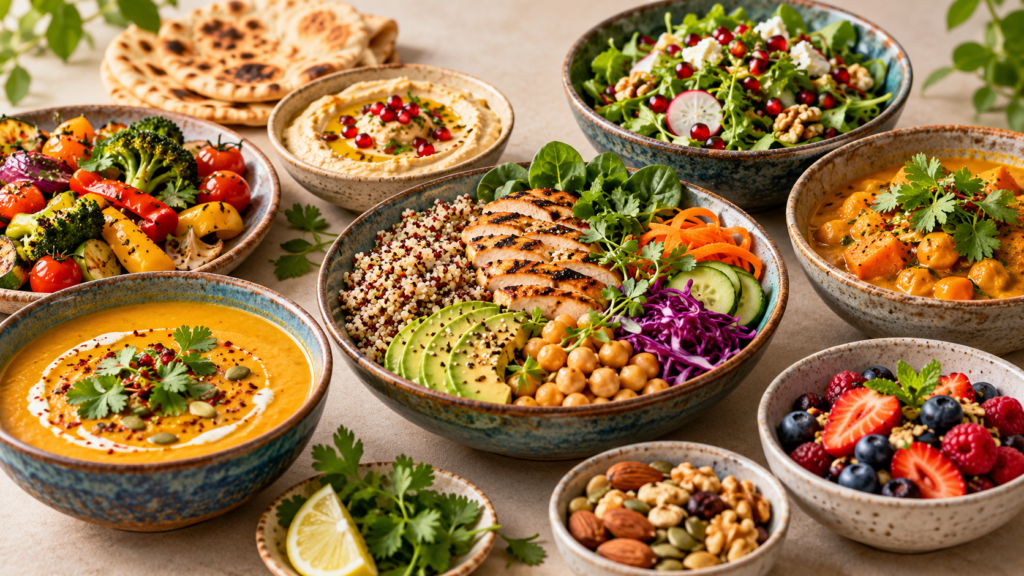
There is a moment I return to often. It was a Tuesday afternoon, sometime around three o’clock. I was sitting at my desk in Midtown, staring at a vending machine bag of chips and wondering why I felt so hollow. Not just hungry. Hollow. The fluorescent lights hummed overhead. My colleagues typed away in their cubicles. And I realized that somewhere along the way, I had stopped eating like a person who cared about herself.
That moment changed things for me. Not overnight. Not dramatically. But it planted a seed that eventually grew into a complete reimagining of how I relate to food, both at work and in my life beyond office walls.
Now, years later, I understand that food is never just fuel. It is a ritual. It is a memory. It is how we build community and show love and anchor ourselves in cultures that might otherwise slip away. For those of us navigating the particular pressures of urban professional life, learning to eat with intention can be revolutionary.
The Desk Lunch Trap
For most of my twenties I ate like someone perpetually running late. Granola bars crammed between meetings. Salads inhaled at my keyboard while answering emails. Coffee as a meal replacement more times than I care to admit.
I told myself this was efficient. I told myself successful people did not have time for lunch breaks. I told myself a lot of things that turned out to be nonsense.
The truth is that eating at my desk made me worse at my job. My energy crashed every afternoon around two. My focus scattered like pigeons. I got sick more often than my colleagues and felt irritable in ways I could not explain.
When I finally started paying attention to workplace wellness research, everything clicked. Studies consistently show that what we eat during work hours directly impacts our productivity, mood and long-term health. Understanding the Importance of Healthy Snacks for Office Staff transformed how I thought about those midday hours. It was not about deprivation or perfect eating. It was about giving my body and brain what they needed to function well.
I started keeping almonds in my drawer. Apples on my desk. I stepped away from my computer to eat actual meals, even if only for fifteen minutes. Small changes. Enormous impact.
Food as Self-Respect
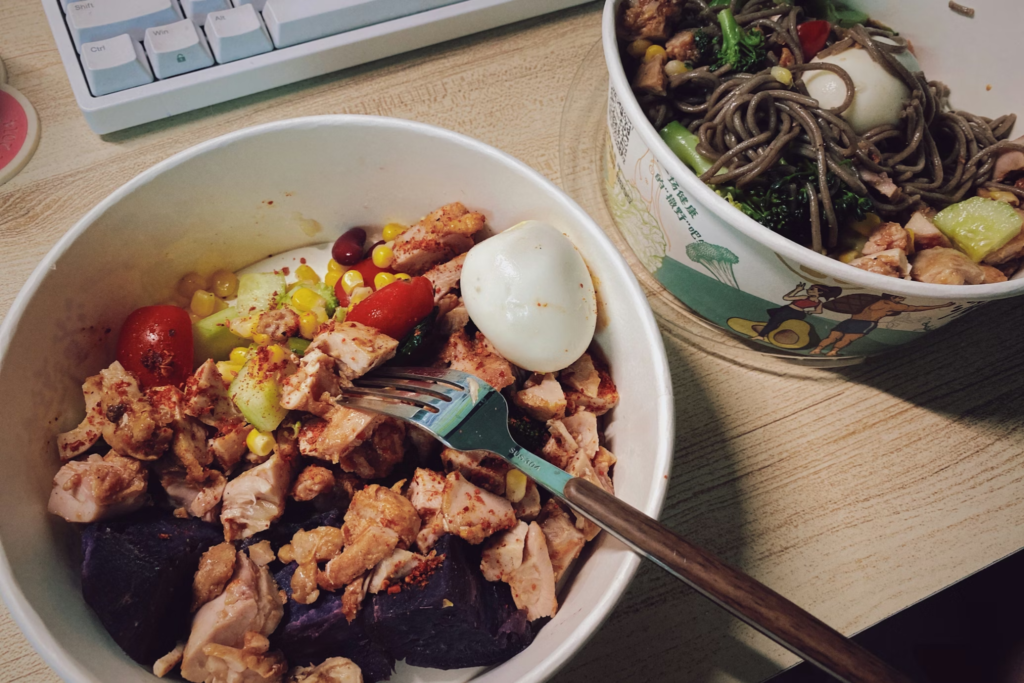
There is something deeper happening when we choose to nourish ourselves properly. It is an act of self-respect. A declaration that we are worth the time and attention that good food requires.
Growing up in a Black household, I watched the women in my family cook with intention even when resources were scarce. Sunday dinners were non-negotiable. Holiday meals took days to prepare. Food was how we celebrated and mourned and marked the passage of time.
Somewhere in my climb up the corporate ladder, I lost touch with that inheritance. I traded home-cooked meals for convenience and ritual for speed. Reclaiming mindful eating felt like coming home to a part of myself I had neglected.
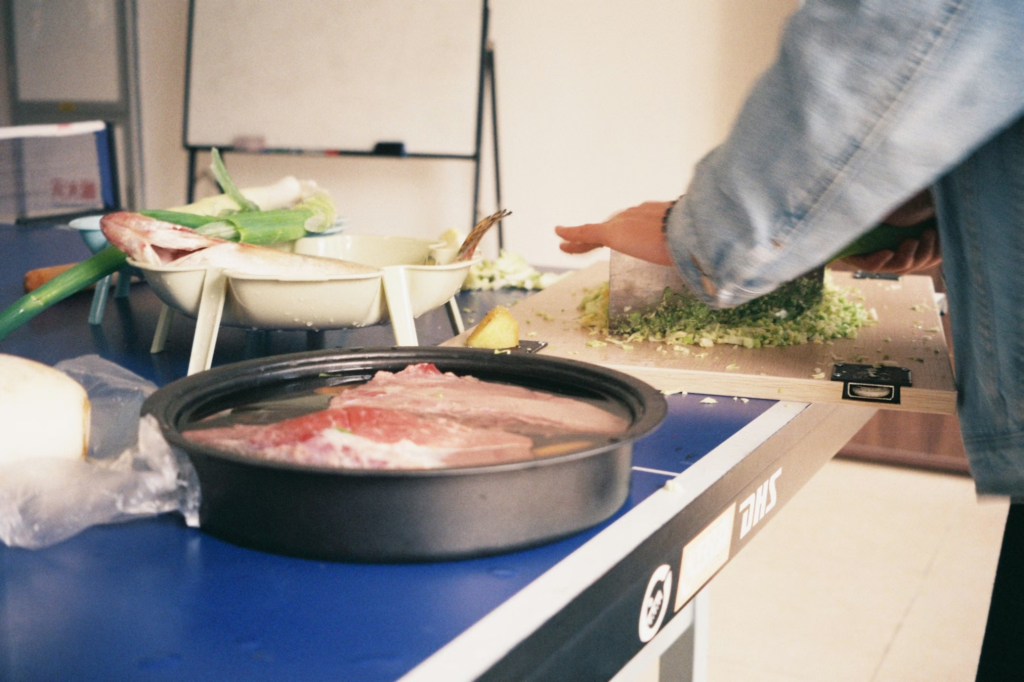
Now I think of meal preparation as meditation. The rhythmic chopping of vegetables. The sizzle of onions in a pan. The way a kitchen fills with aroma and warmth. These moments ground me in my body and connect me to generations of women who understood that feeding people is its own form of love.
The Magic of Shared Tables
If eating well at work taught me about individual wellness, eating with others taught me about collective joy. There is something irreplaceable about gathering around a table with people you care about. The conversation flows differently. Walls come down. Strangers become friends.
I think about the communal dining traditions that have shaped cultures around the world. Ethiopian injera meant to be shared from a common plate. Korean barbecue cooked together at the table. The potluck suppers of Southern Black churches where everyone contributes something and no one leaves hungry.
These traditions understand what modern life often forgets. Eating together is how humans have built bonds since the beginning of time.
Some of my most meaningful friendships have been forged over shared meals. There is a particular kind of intimacy in passing dishes back and forth. In trying something from someone else’s plate. In the vulnerability of saying “I made this for you” or “let me order for us.”
Discovering New Food Worlds
One of the great gifts of living in a city like New York is access to cuisines from every corner of the globe. I have eaten my way through neighborhoods and found pieces of myself in unexpected places.
Last winter a friend invited me to try hot pot for the first time. I had walked past hot pot restaurants for years without understanding what happened inside. She promised it would change my life. She was not exaggerating.
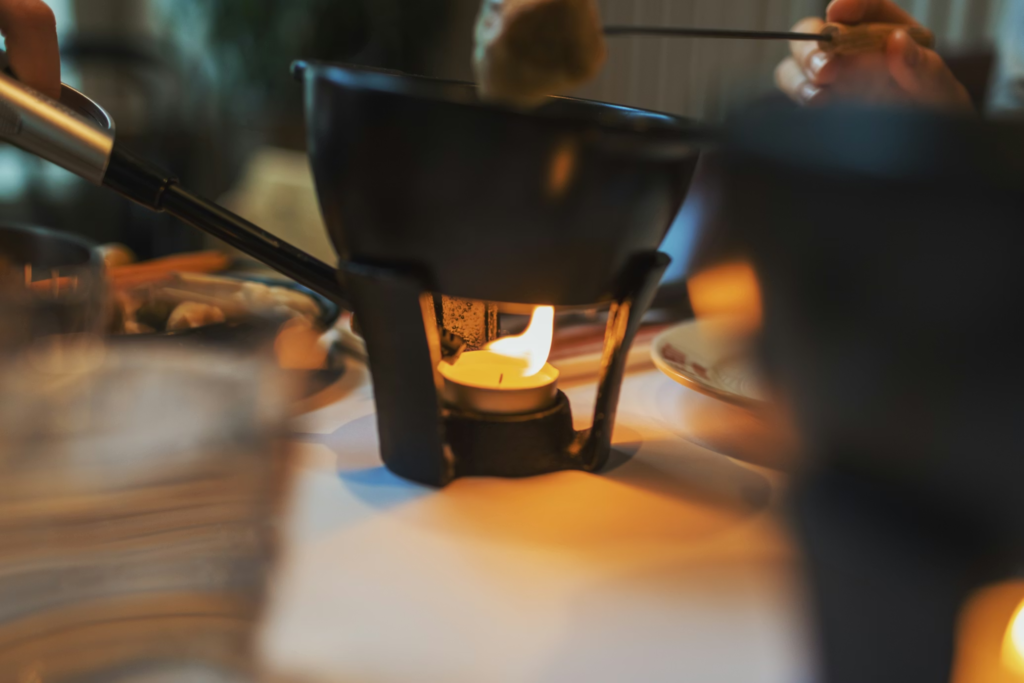
The experience was unlike anything I had known. A bubbling pot of broth at the center of the table. Plates of thinly sliced meat and fresh vegetables and handmade noodles arranged like art. You cook your own food in the communal pot, timing each ingredient, fishing out treasures with your chopsticks.
What struck me most was the pacing. Hot pot cannot be rushed. The meal unfolds over hours, with conversation weaving between bites. My friend explained the tradition’s roots in Chinese culture, how families gather around hot pot during holidays and cold months. I thought about my own family’s traditions and how food always sits at the center of our gatherings.
Since that night I have become something of a hot pot evangelist. When a colleague mentioned wanting to try a hot pot restaurant during her trip to Melbourne, I found myself offering suggestions and tips like a seasoned guide. The cuisine had become part of my vocabulary, another thread in the tapestry of food experiences that make life rich.
Building Your Own Food Philosophy
Over time I have developed what I think of as a personal food philosophy. It is not a diet. It is not a set of rules. It is more like a collection of principles that help me navigate choices with intention.
First, I try to eat food that makes me feel good, not just in the moment but in the hours that follow. This simple filter eliminates a lot of the junk I used to consume mindlessly.
Second, I prioritize meals that connect me to others. Even if I eat alone most weekdays, I make space for communal dining at least once a week. These gatherings feed something that solo meals cannot reach.
Third, I stay curious. I try new cuisines. I ask questions at restaurants. I learn about ingredients and traditions and the stories behind dishes. Food becomes more interesting when you approach it as a student rather than just a consumer.
Fourth, I extend myself grace. Some days I eat beautifully. Other days I grab whatever is fastest and easiest. Both are okay. The goal is not perfection but presence. Paying attention. Making choices that align with my values more often than not.
What Food Teaches Us
Looking back at that hollow Tuesday afternoon, I feel grateful for the wake-up call. The vending machine chips were a symptom of a larger disconnection. I had been moving through life without really inhabiting it. Food became the doorway back to myself.
Now when I eat, I try to actually taste what I am eating. I notice textures and flavors. I think about where the ingredients came from and who prepared them. I give thanks, sometimes silently and sometimes out loud.
This practice has rippled outward into other areas of my life. Paying attention to food taught me to pay attention in general. To slow down. To savor. To recognize that the small daily choices we make accumulate into the lives we live.
For anyone feeling disconnected from their own nourishment, I offer this simple invitation. Start where you are. Notice what you eat and how it makes you feel. Share a meal with someone you care about. Stay curious about cuisines and traditions beyond your own.
Food is never just food. It is how we care for ourselves and each other, one of the truest ways we show up for the people who matter. It is how we remember where we come from and imagine where we might go. Every meal is an opportunity to choose presence over autopilot, connection over isolation, nourishment over mere consumption.
That is a lesson worth savoring.
Conversation