



Collecting has always been part of human nature.
From stamps and coins to vinyl records and vintage sneakers, the impulse to find, own and preserve things of personal significance is as old as commerce itself. What changes across generations is the subject of that impulse.
Right now, trading cards and anime collectibles are at the centre of one of the most significant hobby revivals in recent memory. And the people driving that revival are not just the nostalgic adults who grew up with these things. They are younger collectors discovering them for the first time.
The Numbers Behind the Revival
The global trading card market has grown substantially over the past five years.
Industry analysts estimate the market has crossed tens of billions of dollars in annual value, driven by both primary sales of new products and a thriving secondary market where rare and graded cards change hands at significant prices.
That growth is not accidental. It reflects a convergence of factors that have made collectibles more visible, more accessible and more culturally relevant than at any previous point.
Social media has played a significant role. Unboxing videos, collection showcases and card reveal content have turned what was once a private hobby into a shared spectator experience that draws viewers who had no prior interest in cards.
Online marketplaces have made buying and selling more transparent and more global. A collector in one country can acquire a card from a seller on the other side of the world with the same ease as ordering any other product online.
How Anime Transformed the Collectibles Landscape
The influence of Japanese animation on global pop culture has been building for decades.
Series that debuted in Japan in the 1990s and early 2000s developed passionate international followings that have only grown with time. As those audiences matured and gained purchasing power, their appetite for merchandise, collectibles and culturally significant objects grew with them.
Trading card games connected to anime properties have benefited enormously from this dynamic. Cards featuring characters from beloved series carry an emotional resonance that purely fictional or sports-based card games often cannot replicate.
One Piece is among the clearest examples of this phenomenon. The manga and anime series, which began publication in 1997, has become one of the most widely read and watched franchises in the world. Its trading card game launched more recently but has developed a dedicated collector community with remarkable speed.
For enthusiasts looking to build or expand a collection, it has become much easier to find one piece cards for sale through specialist online retailers that stock current sets alongside harder-to-find releases.
The demand for these cards is not driven purely by gameplay. Many collectors have no interest in the competitive game at all. They are drawn to the artwork, the character connections and the cultural identity that owning a particular card represents.
Why These Communities Keep Growing
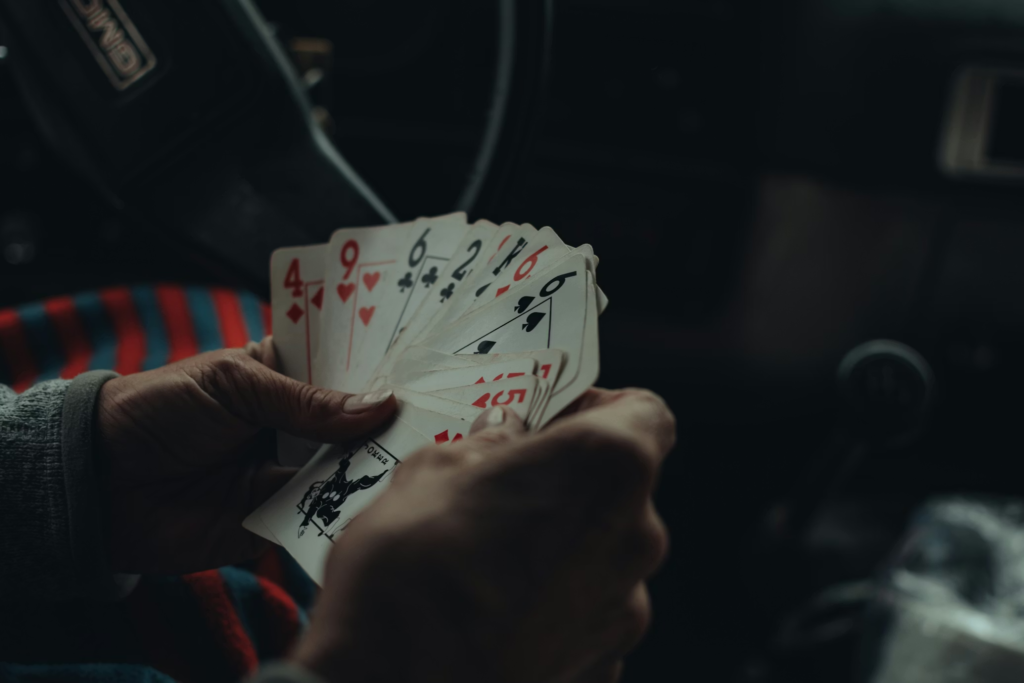
Trading card communities are self-sustaining in a way that few hobbies manage.
New sets release regularly, which gives collectors a recurring reason to engage. The secondary market creates ongoing activity between release cycles. Competitive events attract players who would not otherwise collect.
The social dimension is also a genuine driver. Local game stores host weekly events that bring collectors and players together in person. Online communities on forums and social platforms maintain constant discussion around new releases, valuations and collection milestones.
For younger people, these communities offer something that many traditional social spaces do not. A shared language, a clear set of values around what matters and a built-in reason to connect with strangers who are immediately recognisable as part of the same world.
This is particularly visible in anime card communities, where the hobby intersects with a broader cultural identity around the series themselves. Collectors are not just acquiring cards. They are participating in an ongoing conversation about the characters and stories they care about.
For readers interested in broader pop culture trends, the growth of anime-connected collectibles offers one of the most instructive examples of how entertainment franchises build lasting community economies around their audiences.
The Graded Card Market and Its Appeal
One dimension of modern card collecting that has attracted particular attention is the graded card segment.
Professional grading services evaluate cards for condition, assign them a numerical score and seal them in tamper-evident cases. A card graded PSA 10, the highest standard offered by one of the most recognised grading services, can command multiples of the price of an ungraded equivalent.
Grading appeals to collectors who view their acquisitions as long-term investments as much as personal enjoyment. A sealed, authenticated card with a documented condition score is a more liquid and verifiable asset than a raw card whose condition is subject to interpretation.
The process has also created a new layer of community activity. Collectors discuss grading strategies, share results and track population reports that show how many copies of a particular card exist at each grade level.
Practical Advice for New Collectors
Entering the collectibles hobby can feel overwhelming given the volume of products, terminology and community knowledge involved.
A few consistent principles help new collectors navigate the space effectively.
Starting with what you genuinely care about is the most reliable foundation. Collectors who begin with series or characters they already have a connection to tend to stay engaged longer and make more considered decisions than those who buy based purely on perceived investment value.
Understanding the difference between sealed products and singles is an early priority. Booster boxes and packs offer the excitement of opening but carry no guarantee of value. Buying specific singles is a more targeted and often more economical approach for collectors focused on particular cards.
Condition matters far more than most new collectors initially appreciate. Cards handled carelessly lose significant value quickly. Sleeves, rigid cases and careful storage habits should be established from the beginning rather than introduced after damage has already occurred.
Patience is the quality that separates successful long-term collectors from those who exit the hobby frustrated. Prices fluctuate, supply changes and the cards that feel unattainable today often become accessible over time to collectors who remain engaged and informed.
A Hobby Built to Last
What makes trading card collecting genuinely durable as a hobby is the combination of tangible ownership, community participation and cultural connection it provides simultaneously.
Few leisure activities deliver all three with the same consistency.
The current generation of collectors entering through anime properties and pop culture franchises is doing so with more information, more community support and more market infrastructure than any previous generation had access to.
That foundation suggests the growth seen over the past five years is not a temporary spike but the early stage of something considerably more permanent.