



Access to reliable transportation remains one of the most significant factors determining economic opportunity and quality of life for communities worldwide. Yet as urban centers continue to dominate infrastructure investment, remote and underserved regions face mounting challenges in maintaining the mobility systems their residents depend on for basic services, emergency response and economic survival.
The gap between transportation infrastructure in metropolitan areas and rural communities has widened steadily over the past two decades. This disparity carries profound implications for public health, economic development and social equity that policymakers and community advocates continue to grapple with.
The Rural Transportation Divide
According to the American Society of Civil Engineers, rural roads account for approximately 70 percent of the nation’s total road miles but receive a disproportionately small share of maintenance funding. This imbalance has created a backlog of infrastructure needs that grows more severe each year.
For communities located far from major population centers, deteriorating roads are not merely an inconvenience. They represent genuine barriers to accessing healthcare, education and employment. When a bridge fails or a highway section becomes impassable, the consequences extend far beyond traffic delays.
Emergency response times increase dramatically when infrastructure cannot support rapid deployment. Agricultural products cannot reach markets efficiently. Students face longer and more dangerous commutes to schools. The ripple effects touch every aspect of community life.

The situation is particularly acute in regions where extreme weather events have become more frequent. Roads designed for conditions that existed decades ago now face stresses their original engineers never anticipated. The result is accelerated deterioration and more frequent closures.
Global Parallels in Remote Mobility
The challenges facing rural American communities find parallels across the globe. Nations with vast remote territories have long struggled to maintain transportation networks that connect isolated populations to essential services and economic opportunities.
Australia offers an instructive example. With one of the lowest population densities of any developed nation, the country has invested heavily in systems designed to ensure that remote travel remains as safe as possible despite enormous distances between services.
The Australian outback presents transportation challenges that few regions can match. Drivers may travel hundreds of kilometers between fuel stations or towns with emergency services. Communication networks remain spotty across vast stretches of the interior. A vehicle breakdown in such conditions can quickly escalate from inconvenience to life-threatening emergency.
In response, Australian authorities and private enterprises have developed vehicle tracking and safety monitoring systems specifically designed for remote conditions. Services like Outback SafeTrack provide satellite-based location monitoring that allows family members or emergency coordinators to track vehicles traversing areas where mobile phone coverage does not exist. These systems represent one approach to managing the inherent risks of mobility in regions where traditional infrastructure cannot provide adequate safety coverage.
The broader lesson from the Australian experience is that transportation safety in remote areas requires thinking beyond roads and bridges alone. Communication infrastructure, emergency response protocols and technology solutions all play essential roles in comprehensive mobility systems.
Supply Chain Vulnerabilities Exposed
The global supply chain disruptions of recent years revealed how dependent modern commerce remains on transportation infrastructure that many had taken for granted. When key routes became congested or unavailable, the effects cascaded through entire economic sectors.
Remote communities experienced these disruptions more acutely than urban centers. With fewer alternative routes and suppliers, isolated regions faced longer shortages and higher prices. Essential goods including food, medicine and fuel became difficult to obtain in some areas for extended periods.
These experiences have prompted renewed attention to transportation resilience. Planners and policymakers are increasingly asking what happens when primary routes fail. How quickly can alternatives be activated? What systems exist to maintain essential mobility when normal infrastructure is compromised?
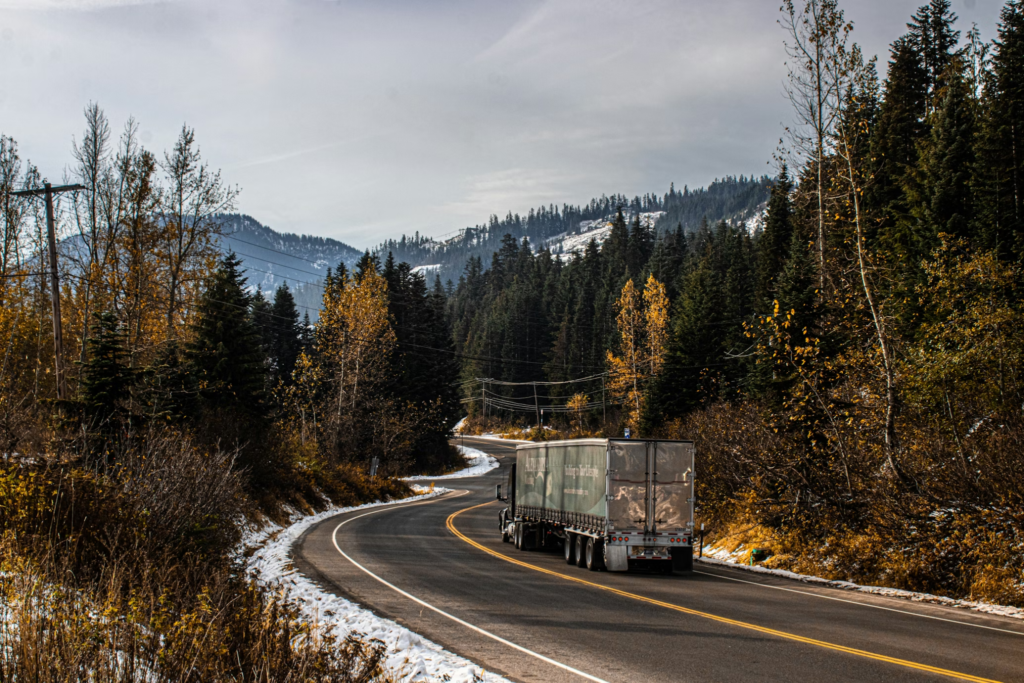
The answers vary significantly by region. Communities with robust planning and multiple transportation options weathered disruptions more successfully than those dependent on single routes or modes. This disparity has sparked conversations about infrastructure investment priorities that consider resilience alongside efficiency.
Equity Dimensions of Transportation Access
Transportation access intersects with broader questions of social and economic equity in ways that have attracted increased attention from researchers and advocates.
Communities with limited transportation options tend to have lower average incomes and higher unemployment rates. Residents face narrower choices for employment, healthcare and education. The relationship between mobility and opportunity runs in both directions, creating cycles that prove difficult to break.
For many underserved communities, inadequate transportation infrastructure compounds other challenges. A lack of public transit options forces residents to maintain personal vehicles they may struggle to afford. Long commutes consume time and resources that might otherwise support family wellbeing or economic advancement.
These equity dimensions have begun influencing federal transportation policy. Recent infrastructure legislation included provisions specifically targeting underserved communities and requiring equity considerations in project selection. Whether these policy shifts produce meaningful change remains to be seen, but they represent acknowledgment of disparities that advocates have highlighted for decades.
Technology and the Future of Remote Mobility
Emerging technologies offer potential solutions to some persistent transportation challenges, though their benefits may not reach all communities equally.
Electric vehicles promise reduced operating costs that could benefit rural drivers who cover substantial distances. However, the charging infrastructure required to support electric vehicles in remote areas remains largely undeveloped. Until that gap closes, the technology’s benefits will accrue primarily to urban and suburban users.
Autonomous vehicle technology similarly holds theoretical promise for remote transportation. Self-driving vehicles could potentially provide mobility options in areas where traditional public transit is not economically viable. Yet the technical challenges of operating autonomous systems on unpaved roads and in areas without detailed mapping data suggest that rural applications remain years away.
More immediately applicable are advances in communication and monitoring technologies. Satellite-based systems have dramatically reduced the connectivity gaps that once isolated remote travelers entirely. Real-time vehicle tracking, emergency communication devices and improved weather forecasting all contribute to safer remote travel.
These incremental improvements matter significantly even if they lack the transformative promise of more ambitious technologies. For communities where reliable transportation access remains a daily concern, practical solutions that work today often matter more than revolutionary possibilities that may arrive years hence.
Policy Considerations Moving Forward
Addressing the transportation infrastructure gap requires sustained commitment from multiple levels of government along with innovative approaches to funding and planning.
Federal infrastructure investment provides essential support, but the scale of need exceeds what periodic legislation can address. State and local governments must develop sustainable funding mechanisms for ongoing maintenance rather than relying on emergency repairs after failures occur.
Regional coordination offers potential efficiency gains. Adjacent communities facing similar challenges can pool resources and expertise in ways that individual jurisdictions cannot achieve alone. Shared maintenance equipment, coordinated emergency response protocols and joint planning efforts all demonstrate the value of collaborative approaches, the same logic that drives efforts to cut equipment downtime in any system communities depend on.
Private sector involvement continues to evolve as well. Public-private partnerships have delivered infrastructure improvements in some regions, though concerns about accountability and equity require careful attention in structuring such arrangements.
Community engagement remains essential throughout these processes. Residents of remote and underserved areas understand their transportation needs better than distant planners. Effective policy incorporates local knowledge and priorities rather than imposing solutions designed elsewhere.
Conclusion
Transportation infrastructure in remote and underserved regions represents a challenge that demands sustained attention and creative solutions. The communities affected are not abstractions in policy debates but real places where residents navigate daily the consequences of inadequate mobility systems.
Addressing this challenge requires recognizing that transportation access is not merely an engineering problem but a matter of equity, economic development and public safety. It requires investment that accounts for the true costs of inadequate infrastructure, not just the immediate expenses of construction and maintenance.
The solutions that emerge will likely combine traditional infrastructure investment with technological innovation, regional cooperation and policy reforms that prioritize historically underserved communities. The goal is not simply better roads, though those matter greatly, but comprehensive mobility systems that enable all communities to thrive regardless of their distance from major population centers.