How E-Bikes Help Build a More Active and Less Stressful Daily Routine

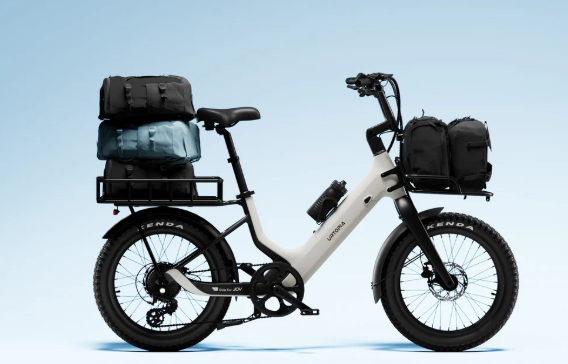
Many adults want to move more during the day, but exercise often competes with work, errands, family responsibilities, and limited free time. A long workout may feel unrealistic after a busy morning, while driving everywhere can gradually make daily routines less active.
An e-bike offers a practical way to add movement without turning every ride into a demanding fitness session. Motor assistance makes hills, longer distances, and repeated stops easier to manage, while riders still pedal and remain physically involved in the journey.
By combining transportation with moderate activity, electric cycling can help people spend more time outdoors, complete everyday trips, and create routines that feel easier to maintain.
Why Staying Active Can Be Difficult in Daily Life
The challenge of staying active often comes from routine rather than a lack of motivation. A person may genuinely want to exercise but still spend most of the day sitting at a desk, driving between locations, or completing household tasks.
Traditional workouts also require a separate block of time. Going to a gym may involve changing clothes, traveling there, exercising, showering, and returning home. Even a short session can take up a large part of the evening.
Cycling changes this pattern because movement can become part of a trip that already needs to happen. A ride to a café, grocery store, office, library, or friend’s home combines transportation with light physical activity. Instead of finding additional time for exercise, the rider uses existing travel time more actively.
Electric assistance also gives riders more control over effort. They can use less support on flat roads and increase assistance when facing a steep hill, strong wind, or tired legs. This flexibility makes cycling possible on days when a conventional bike may feel too demanding.
Making Short Trips Easier to Start
Many car journeys cover distances that could be completed by bike, yet convenience often determines the final choice. When a bicycle feels difficult to move, store, or manage, reaching for the car keys becomes the easier option.
For riders who need to carry a bike upstairs or move it through narrow indoor spaces, a lightweight ebike can remove some of the effort involved before and after each ride. Easier handling can make spontaneous trips feel more realistic, especially for apartment residents and riders without ground-level storage.
Electric assistance also reduces the physical effort required to begin a trip. Riders do not need to feel fully energetic or prepared for an intense workout. They can select an assistance level and start moving at a comfortable pace.
This matters most for short everyday journeys. A ride to collect groceries or meet a friend may only take 15 or 20 minutes, but those small trips can add meaningful activity across the week. Several brief rides may feel easier to maintain than one long exercise session.
The return journey can also feel less stressful. Riders do not have to worry as much about carrying shopping bags, climbing a hill, or arriving home exhausted. Knowing that motor support is available makes choosing the bike easier before leaving.
Reducing the Physical and Mental Load of Riding
Cycling involves more than pedaling. Riders must control the bike while parking, turning, stopping, and moving through narrow spaces. The total weight and handling of the bike can influence how comfortable these tasks feel.
A manageable frame can be especially useful for people living in apartments or homes without convenient bicycle storage. Carrying a heavy bike up several steps may discourage frequent use, even when the actual ride feels enjoyable.
Bike weight also matters when lifting a model onto a vehicle rack, guiding it through a hallway, or repositioning it inside a crowded storage area. A bike that feels easy to handle is more likely to become part of a regular routine.
Mental effort matters as well. A ride can feel stressful when the rider is uncertain about distance, hills, weather, or whether enough energy will remain for the journey home. Electric assistance reduces some of that uncertainty.
Riders can choose routes based on where they want to go rather than avoiding every incline. This confidence may gradually expand their riding area. A destination that once seemed too far can become a comfortable weekend ride or a regular errand.
Building Movement Into an Existing Schedule
Sustainable activity habits usually fit into daily life rather than competing with it. E-bike riding can be connected to routines people already follow.
Someone who works from home might take a short ride before opening a laptop in the morning. The route could be as simple as cycling to a nearby park and returning after 20 minutes. This creates a natural separation between home life and the workday.
Office workers may use an electric bike for part or all of their commute. Assistance can make the journey more predictable, especially when the route includes hills or frequent stops. The ride home can then provide a transition away from work-related pressure.
Parents and caregivers can also use short rides as personal time. A brief evening trip offers fresh air and movement without requiring a complete fitness plan. On weekends, riding can become a shared activity with a partner, friend, or older child.
The goal does not need to involve maximum distance or speed. Consistency matters more. A rider who completes several relaxed trips each week may build a more active lifestyle than someone who plans ambitious workouts but rarely has time to complete them.
Choosing an E-Bike That Fits Your Routine
A suitable electric bike should match the rider’s daily environment. Motor power and battery range are important, but comfort, weight, storage, and riding position may have a greater effect on regular use.
Start by considering where the bike will be stored. A larger model may work well in a garage, while a compact or lighter design may suit an apartment, office, or shared storage area.
The typical route also matters. Riders dealing with steep hills may benefit from stronger assistance and reliable braking. Someone traveling mainly on flat urban streets may place more value on responsive handling, low weight, and easy parking.
Comfort should be evaluated through more than the saddle. Frame geometry, handlebar position, tire size, and step-over height all influence how natural the bike feels. A relaxed riding position may suit casual errands, while a more active posture may appeal to people who want a sportier experience.
Accessories should support practical needs. Fenders help during wet commutes, lights improve visibility, and a rear rack or bag can carry groceries or work items. These additions make the bicycle more useful as everyday transportation rather than limiting it to recreational rides.
Creating Habits That Last
A new bike can create initial excitement, but long-term habits develop through simple and repeatable choices. Starting with familiar routes can make riding feel comfortable. A trip to a nearby shop or park allows riders to learn the controls, test assistance levels, and understand battery use.
Preparing the bike in advance also helps. Keeping the battery charged, storing a helmet nearby, and placing a lock or bag where it is easy to reach can reduce delays before leaving. The fewer steps required, the more likely someone is to choose the bike.
Flexible goals may work better than focusing only on mileage. A person might aim to replace two car trips each week, ride during one lunch break, or spend 30 minutes outdoors on Sunday morning. These goals connect cycling to real routines.
Progress can happen naturally. As confidence improves, riders may explore longer routes, use less assistance on easier sections, or choose the bike for more errands. Activity increases without making the routine feel forced.
Conclusion
E-bikes can help people become more active by turning ordinary trips into opportunities for movement. Motor assistance reduces the difficulty of hills and longer distances, while thoughtful bike design can simplify storage, handling, and everyday use.
The greatest advantage is flexibility. Riders can decide how much effort to use, where to go, and how cycling fits into their schedule. When the bike matches the rider’s environment and daily needs, staying active becomes a natural part of life rather than another task competing for limited time.
Conversation