
Buying a 3D printer for home use has never been easier, but choosing the right one can still be confusing. With so many models on the market, it’s easy to get distracted by technical specifications and overlook the features that actually matter. Instead of simply looking for the most powerful machine, focus on how you plan to use it. Whether you want to make home accessories, creative gifts, educational models, or DIY projects, selecting a printer that matches your needs will lead to a much better experience.
Decide What You Want to Print
Before comparing specifications, think about the types of projects you want to create. This simple step can help narrow your options and prevent you from paying for features you’ll never use.
For most home users, an FDM 3D printer is the best place to start. It prints with widely available materials such as PLA and PETG, making it suitable for household organizers, replacement parts, desk accessories, toys, and prototypes. FDM printers are also easier to maintain and generally cost less than resin printers.
If your focus is highly detailed miniatures or jewelry, a resin printer may be worth considering. However, for everyday creativity and practical printing, an FDM machine offers the best combination of affordability, versatility, and ease of use.
Look for Features That Improve Everyday Printing
Once you’ve decided on the printing technology, compare the features that will make printing simpler and more reliable.
Automatic bed leveling is one of the most valuable features for beginners because it reduces setup time and improves first-layer success. Filament run-out detection and power-loss recovery are also useful, especially for longer prints that may take several hours to finish.
Build volume should match the size of your typical projects. A compact desktop printer is large enough for most home applications while taking up less workspace. It’s also worth considering print speed, but reliability should always come first. A printer that consistently produces quality results is more enjoyable to use than one that prioritizes speed alone.
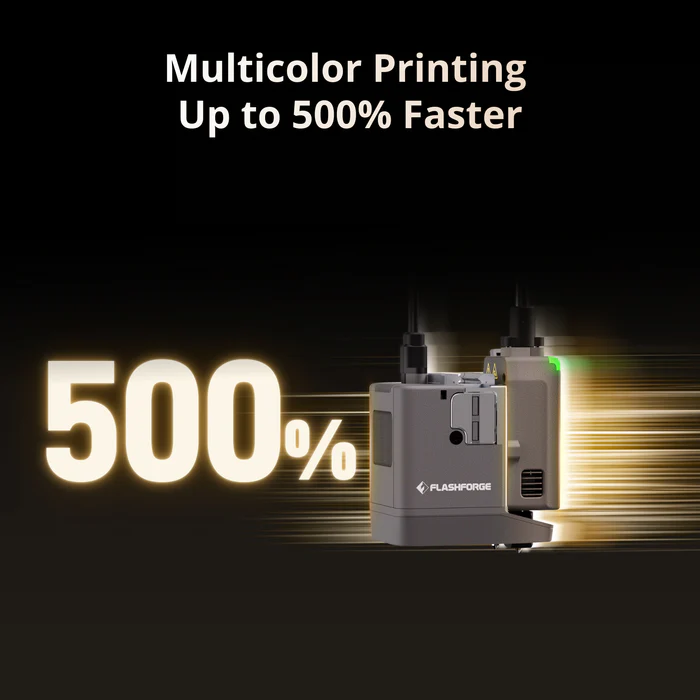
If you enjoy colorful models, look for support for multi-color 3D printing. This feature allows different colors to be used in a single project, making toys, decorations, and personalized gifts more vibrant without requiring manual painting afterward.
For users who want to explore multi color 3D printing, the Flashforge AD5X is worth considering. It combines automatic leveling, high-speed printing, and an easy-to-use multi-color system, making colorful projects accessible even for beginners.
Consider Ease of Use and Long-Term Value
The best 3D printer isn’t always the one with the longest list of specifications. For home users, an intuitive interface, reliable software, and consistent print quality often have a much bigger impact on the overall experience.
It’s also important to think beyond the initial purchase price. Filament costs, replacement parts, maintenance, and software support all contribute to the long-term value of a printer. Spending slightly more on a dependable machine can often save time, reduce failed prints, and lower operating costs over time.
When comparing the best 3D printer for home use, choose a brand that offers reliable hardware, regular firmware updates, and a user-friendly ecosystem. Flashforge provides a range of desktop 3D printers designed for beginners and makers, making it easier to find a model that fits different budgets while delivering a smooth printing experience.
Create a Safe and Comfortable Printing Space
No matter which 3D printer you choose, setting up a suitable workspace is essential. Place the printer on a stable, heat-resistant surface with enough room for loading filament and performing maintenance. Good ventilation is recommended, particularly if you plan to print with materials that produce stronger odors.
Keeping your workspace clean and organized also improves safety and helps your printer perform more consistently over time.
Conclusion
Choosing the best 3D printer for home use doesn’t have to be complicated. Start by identifying the projects you want to create, then focus on features that improve reliability and ease of use instead of chasing the highest specifications. If colorful designs are part of your creative goals, a printer that supports multi color 3D printing can unlock even more possibilities. With the right 3D printer, you’ll be ready to turn ideas into practical, personalized creations from the comfort of your home.
Conversation