



Workplace safety is one of those things that feels obvious until something goes wrong. A single overlooked hazard can stop a project, injure someone and cost a fortune. The good news is that most incidents are preventable.
Safety does not have to mean endless red tape. The best setups are simple, practical and built into how people already work. Get the fundamentals right and the rest tends to follow.
This guide covers the core steps that make any site safer, from spotting hazards to controlling who goes where. None of it is complicated, but all of it matters.
Key Takeaways
- Start with a clear-eyed look at the hazards on your site.
- Physical barriers are one of the simplest ways to separate people from danger.
- Good signage and training turn safety rules into everyday habits.
- A tidy, well-organised site is a safer and more productive one.
Know Your Hazards Before Anything Else
You cannot manage a risk you have not spotted. Every safe site starts with a proper walk-through to identify what could realistically go wrong. Slips, moving vehicles, falling objects and electrical faults are common culprits.
A simple risk assessment puts structure around this. List the hazards, rate how likely and serious each one is, then decide what to tackle first.
Safety professionals often lean on the hierarchy of controls here. The idea is to remove or reduce a hazard at the source where possible, and only rely on protective equipment as a last line of defence.
Separate People From Danger
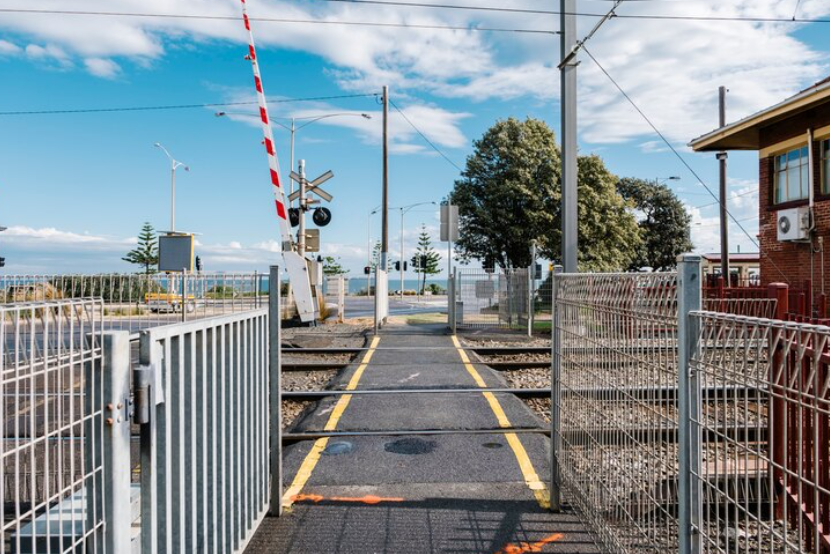
Once you know where the risks are, the next job is keeping people away from them. Creating clear physical separation between workers and hazards is one of the most reliable controls you can put in place.
One of the most effective tools here is a portable expandable barrier, which lets you quickly cordon off a hazard or guide foot traffic in a safer direction. They expand and fold away like a concertina, so they are easy to move and store.
Their big advantage is flexibility. You can stretch one across a doorway, ring off a spill or close a walkway in seconds, then pack it away just as fast when the job is done.
Barriers also send a clear visual message. People instinctively understand that a barrier means stop or go around, which reduces the chance of someone wandering somewhere they should not.
Make the Rules Easy to Follow
Even the best controls fail if people do not understand them. Clear signage is the cheapest safety upgrade most sites can make. A well-placed sign warns, reminds and reinforces without anyone having to say a word.
Training does the rest. People need to know not just what the rules are, but why they exist and how to follow them under pressure. Short, regular refreshers beat a single long induction that everyone forgets.
Communication ties it together. Quick toolbox talks, clear reporting channels and a culture where people feel safe to flag problems catch issues before they escalate. Even a thirty-second heads-up about a new hazard can stop someone getting hurt.
Keep instructions simple and visible. The harder a rule is to understand, the less likely a busy person is to follow it.
A Tidy Site Is a Safe Site
Clutter is a quiet but constant hazard. Trailing cords, stacked materials and stray offcuts cause more slips and trips than people expect. Good housekeeping is genuinely a safety measure, not just tidiness for its own sake.
Clearing waste as you go is a big part of this, and it matters just as much on outdoor renovation projects as it does on large commercial sites. Debris piles up faster than you think and quickly becomes a trip and fire risk.
Give everything a home. Designated storage for tools, materials and waste keeps walkways clear and makes it obvious when something is out of place.
End each day with a quick reset. A few minutes spent clearing and organising leaves the site safer for whoever arrives first the next morning.

Conclusion
A safer worksite is rarely about one big change. It is the sum of small, consistent habits, from spotting hazards early to keeping the place tidy at the end of the day.
Put sensible controls in place, make the rules easy to follow and treat safety as part of the job rather than a box to tick. Do that and you protect your people, your project and your reputation all at once.
Frequently Asked Questions
What is an expandable barrier used for? An expandable barrier is a portable safety barrier that stretches out and folds away like a concertina. It is used to cordon off hazards, guide foot traffic and temporarily block access to unsafe areas.
What is the hierarchy of controls? It is a widely used safety framework that ranks ways to manage hazards. The most effective option is removing the hazard entirely, followed by substitution, engineering and administrative controls, with personal protective equipment as the last resort.
Why does housekeeping matter for safety? A cluttered site causes slips, trips and falls, which are among the most common workplace injuries. Keeping walkways clear and waste managed lowers these risks and tends to improve productivity too.How often should safety training happen? Short, regular refreshers work better than a single long session. Many sites run brief toolbox talks before shifts and revisit key procedures whenever conditions, equipment or team members change.