


Few places carry as much baggage as the dentist. For a lot of people, the word alone triggers a small wave of dread. That makes the design and feel of a practice far more important than most owners realise.
A great practice is about more than good clinical work. It is about how people feel from the moment they walk in to the moment they leave. Get that right and patients come back, and they bring their families with them.
This guide looks at what separates a forgettable clinic from one people happily recommend. Much of it comes down to thoughtful design and a real focus on comfort.
Key Takeaways
- First impressions shape how patients feel before treatment even begins.
- A professional fit-out balances strict hygiene rules with a calming atmosphere.
- Small comfort touches go a long way in easing dental anxiety.
- Sound planning and budgeting keep the whole project on track.
First Impressions Count More Than You Think
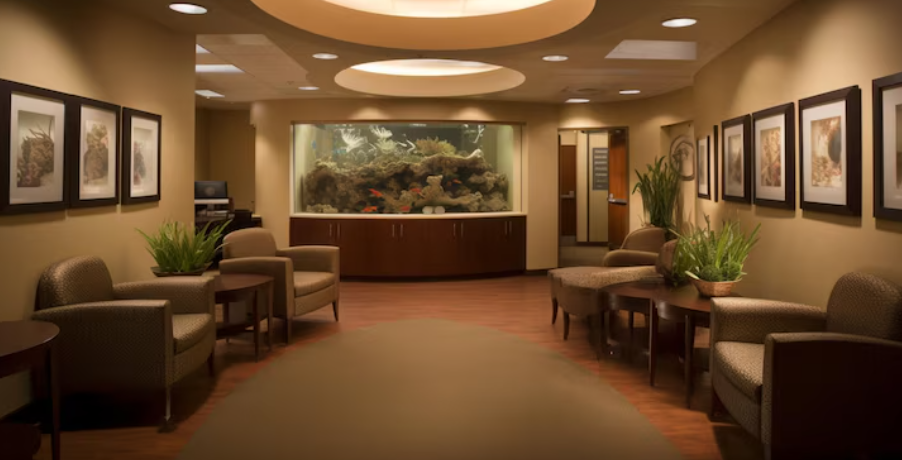
The reception and waiting area set the tone for everything that follows. A cramped, clinical entrance puts nervous patients on edge before they even sit down. A warm, well-designed one does the opposite.
Think about lighting, seating and sound. Soft natural light, comfortable chairs and a little background music make a waiting room feel calm rather than sterile.
Little details matter here too. Clear signage, a friendly front desk and a tidy space all signal that this is somewhere organised and trustworthy.
Get the Clinical Space Right
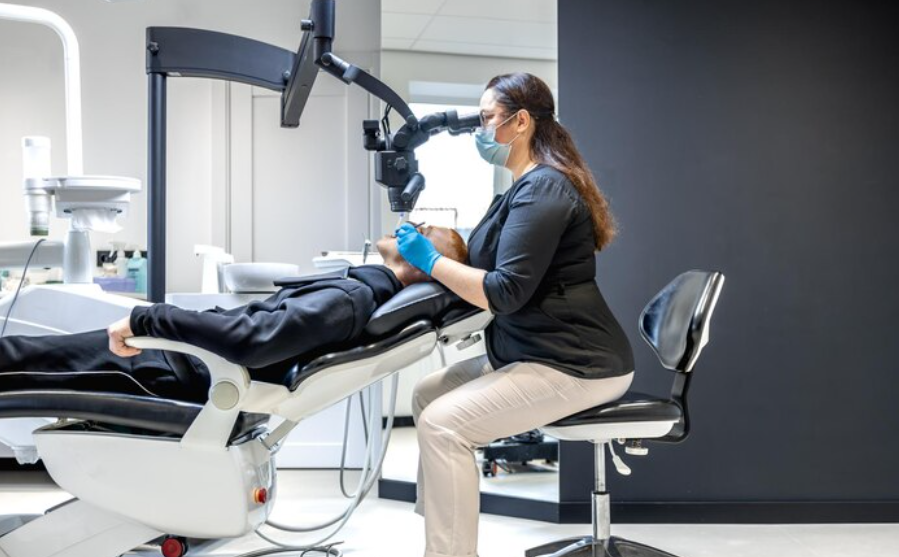
Behind the scenes, a dental practice has demands few other businesses face. Strict infection control, specialised equipment and tight plumbing and electrical requirements all shape the design. There is very little room for error.
This is where professional dental fit outs make all the difference. Specialists understand how to balance hygiene compliance, equipment layout and patient comfort within a single, well-planned space.
A good fit-out also designs for flow. Treatment rooms, sterilisation areas and staff zones need to connect logically so the whole practice runs smoothly during a busy day.
Getting this right from the start saves enormous hassle later. Retrofitting a poorly planned clinic is expensive and disruptive, so it pays to design it properly the first time.
Design Away the Anxiety
Dental anxiety is genuinely common, and a well-designed practice can quietly take the edge off it. The goal is to make the space feel less like a hospital and more like somewhere people feel safe.
Layout helps a lot. Giving patients a clear sense of where they are going, and softening the clinical sounds and smells where possible, reduces that fight-or-flight feeling.
Comfort touches do the rest. Headphones, blankets, a calming colour palette and even a ceiling screen above the chair can turn a tense appointment into a tolerable one.
Communication is part of the design as well. A layout that lets staff explain things calmly, with a bit of privacy, builds trust far better than a rushed, exposed setup.
Staff comfort feeds into it too. A practice that is pleasant for the team to work in tends to feel calmer for patients as well, since relaxed and unhurried staff naturally put people at ease.
Plan the Business Side Properly
A beautiful practice still has to make sense as a business. The build, the equipment and the ongoing running costs add up fast, so a clear financial plan is essential from day one.
Before the first patient walks in, the numbers need to stack up. If you are still working out funding your practice, it is worth weighing your options carefully so the build never outpaces your budget.
Build in a contingency as well. Fit-outs often uncover surprises, from plumbing upgrades to compliance tweaks, and a buffer keeps a hiccup from becoming a crisis.
Think long term too. Designing with a little room to grow means you will not be tearing things out again the moment your patient list expands.
Conclusion
A dental practice people love is rarely an accident. It is the result of thoughtful design, careful planning and a genuine focus on how patients feel.
Invest in the space, ease the anxiety and keep the business side healthy. Do that and you build a practice that patients trust and happily return to for years.
Frequently Asked Questions
Why is practice design so important in dentistry? Many patients feel anxious about visiting the dentist, so a calm, welcoming environment can ease that stress before treatment begins. Good design also improves workflow, hygiene and overall patient trust.
What makes a dental fit-out different from a normal office fit-out? Dental fit-outs must meet strict infection control standards and accommodate specialised equipment, plumbing and electrical needs. The layout also has to support a smooth, hygienic flow between treatment, sterilisation and staff areas.
How can a clinic reduce dental anxiety? Thoughtful touches help, such as comfortable seating, calming colours, background music and clear communication. A layout that feels open and unintimidating also makes a real difference for nervous patients.
How much should I budget for opening a dental practice? Costs vary widely depending on size, location and equipment, so a detailed plan is essential. Always include a contingency buffer, since fit-outs frequently uncover extra requirements once work begins.