


Opening a fitness studio is exciting, but the fit-out is where many owners quietly win or lose. The space does a huge amount of the selling before a single class begins. People decide how they feel about a gym within seconds of walking in.
A good fit-out is not about spending the most money. It is about spending it in the right places. Get the layout, the surfaces and the small touches right, and members keep coming back.
This guide walks through the decisions that matter most. From the training floor to the retail corner, here is how to build a space that works as hard as you do.
Key Takeaways
- A smart layout guides how people move and use the space.
- Quality flooring protects your equipment, your building and your members.
- Good lighting and atmosphere shape how a studio feels from the door.
- A small retail area can add a useful revenue stream when displayed well.
- Plan the budget carefully so the fit-out does not stretch you too thin.
Start With Flow, Not Furniture
Before you buy a single piece of equipment, think about how people will move through the room. The entrance, the reception and the main floor all need to connect naturally. Awkward bottlenecks frustrate members fast.
Map out zones for different activities. Cardio, free weights, stretching and group classes each need their own breathing room. Cramming everything together makes a space feel chaotic and smaller than it really is.
Good flow keeps people safe too. Clear walkways between stations reduce collisions and give everyone room to train without feeling crowded.
The Training Floor Is Your Foundation
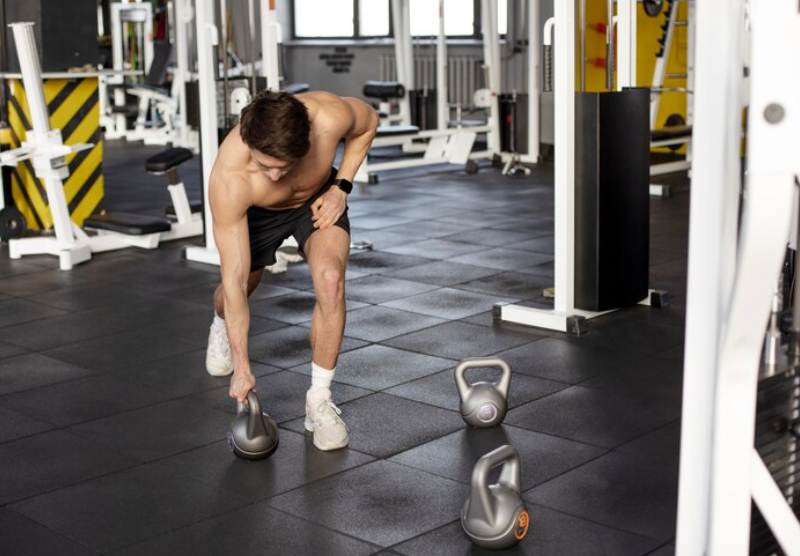
Nothing takes more punishment in a gym than the floor. Dropped weights, heavy machines and constant foot traffic wear down the wrong surface in months. Choosing well here saves you money and headaches later.
This is where investing in durable rubber gym flooring options really pays off, protecting both your equipment and the building underneath. Rubber absorbs impact, dampens noise and gives members a stable, grippy surface to train on.
Thickness matters more than people expect. Lighter areas like stretching zones can use thinner mats, while free-weight and lifting platforms need a thicker, denser layer to handle dropped loads.
It is a safety feature as much as a practical one. A consistent, non-slip floor lowers the risk of slips and joint strain, which keeps members healthier and your insurer happier.
Do not overlook the subfloor underneath either. A level, well-prepared base stops your flooring from shifting or wearing unevenly, and it makes installation far smoother.
Lighting and Atmosphere Matter
Once the bones of the space are sorted, atmosphere does the rest. Lighting is one of the most underrated tools in any studio. The right setup makes a room feel energising rather than clinical.
Natural light is a huge asset wherever you can get it. It lifts mood, makes spaces look bigger and costs nothing to run during the day. Large mirrors amplify it and make a small floor feel open.
Where natural light is limited, layered artificial lighting fills the gap. Bright, even light works for training zones, while softer lighting suits stretching and recovery areas.
Sound and temperature round out the feel. A decent ventilation system and a considered playlist do more for member comfort than most owners realise.
Make the Most of Every Square Metre
Studios rarely have space to waste, so every corner should earn its keep. Reception areas, waiting nooks and unused walls all hold quiet potential. A little planning turns dead space into something genuinely useful.
One of the easiest wins is a small retail corner. Members already trust you, so offering the products they need anyway is a natural extension of the service. Think supplements, shakers, resistance bands, apparel and recovery tools.
Displaying it well is what separates clutter from an actual shop. Quality gondola shelving solutions give you flexible, professional-looking shelving that adapts to almost any product. The adjustable shelves let you refresh displays easily as your range grows.
Position the retail area where people naturally pause, such as near reception or the exit. A browse while waiting for a class often turns into a sale without any pushy selling.
Keep it tidy and well-stocked at all times. A messy or half-empty display sends the wrong message, while a neat one quietly signals that you run a professional operation.
The Details That Build Your Brand
The big-ticket items get the attention, but the small details are what people remember. Clean change rooms, clear signage and a welcoming reception say more about your brand than any logo.
Consistency ties it together. When your colours, fonts and tone show up everywhere from the wall art to the water bottles, the space starts to feel like a real brand rather than a rented room.
Comfort counts in the quiet zones too. Somewhere to sit, charge a phone or grab water turns a quick visit into a place people actually want to linger.
First impressions start outside the door as well. A clean entrance, tidy frontage and clear opening hours set the tone before anyone has even stepped inside, and they cost almost nothing to maintain.
These touches cost relatively little but pay off in loyalty. Members stay where they feel looked after, and word of mouth follows close behind.
Get the Numbers Right Before You Start
A great fit-out means nothing if it sinks you financially. Equipment, flooring, fixtures and signage add up quickly, and it is easy to blow the budget on the exciting parts. Discipline here protects everything else.
If you are still piecing together the money side, it is worth reading up on startup funding strategy so you can fund the build without overstretching or handing over too much control. Knowing your options early shapes every decision that follows.
Build in a contingency as well. Fit-outs almost always throw up surprises, from electrical upgrades to permit delays. A buffer of ten to fifteen percent keeps a small hiccup from turning into a crisis.
Conclusion
A fitness studio is more than equipment in a room. It is a space people choose to spend their energy in, and the fit-out shapes how that feels from day one.
Focus on flow, invest in surfaces and details that last and make smart use of every metre. Do that within a budget you can defend, and you build a studio that members stay loyal to for years.
Frequently Asked Questions
Why is rubber flooring so common in gyms? Rubber handles heavy impact, reduces noise and provides a non-slip surface. It protects both the building’s subfloor and expensive equipment, which makes it a practical choice for high-traffic training areas.
How thick should gym flooring be? It depends on the zone. Lighter cardio and stretching areas can use thinner mats, while free-weight and lifting platforms generally need a thicker, denser surface to absorb dropped weights safely.
Is a retail area worth it in a small studio? Often yes. Even a compact, well-displayed range of supplements and accessories can add a steady revenue stream, since members already trust your advice and shop while they are on site.
What is gondola shelving? Gondola shelving is free-standing retail shelving with adjustable shelves, widely used in shops to display products. It can stand against a wall or back-to-back in the open, which makes it flexible for different spaces.